
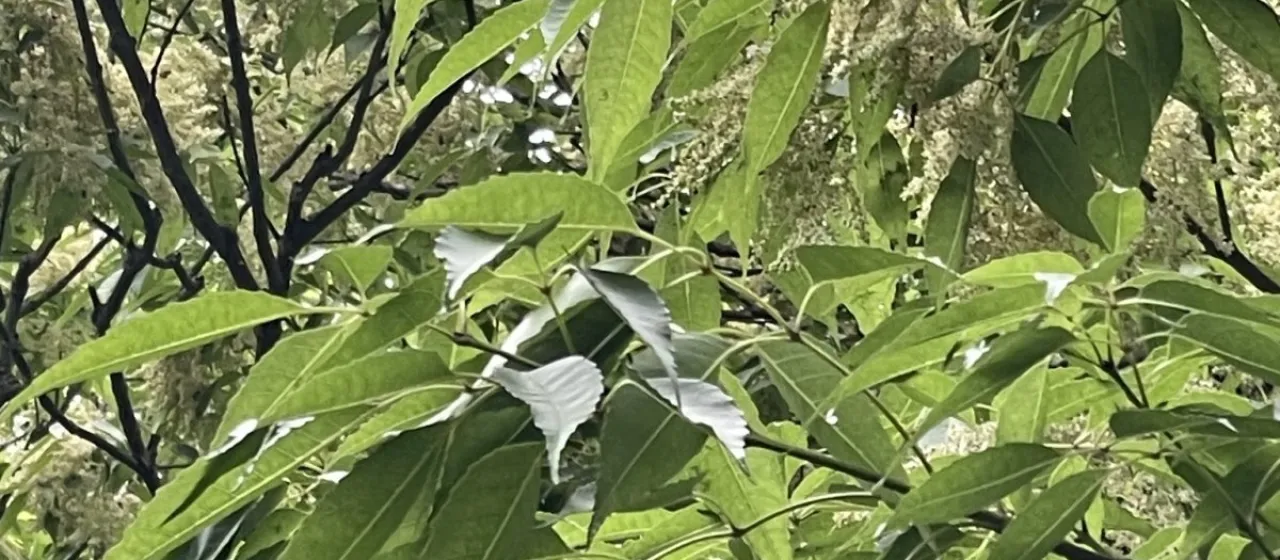
Description
The Island ash (lat. Fraxinus insularis) is a deciduous tree species belonging to the Oleaceae family. Recognized for its resilience and adaptability, this tree is a significant component of coastal and island forest ecosystems in its native range, standing out for its robust structure and environmental tolerance.
The species originates from East Asia, with a natural range encompassing Japan, the Korean Peninsula, and parts of China. In forestry and ornamental contexts, it is cultivated in regions that mirror its native temperate to subtropical maritime climate, where it is valued for its ability to withstand high humidity and oceanic influences.
Botanically, the Island ash features a straight trunk and a delicate crown composed of pinnately compound leaves. It develops a deep, stabilizing root system, which contributes to its overall longevity. As a species, it exhibits moderate growth rates, focusing on establishing a strong woody framework that is highly characteristic of the Fraxinus genus.
Cultivation requirements involve providing well-drained, fertile loam soils. While the Island ash is relatively adaptable, it performs best with consistent moisture levels and adequate sunlight exposure. Standard agrotechnical practices include weed control during the establishment phase, appropriate spacing to allow for crown development, and mulching to conserve moisture in the root zone.
The commercial and practical utility of the Island ash is defined by its high-quality timber, which is sought after for several industries:
- High-end furniture manufacturing and flooring;
- Production of durable sports equipment and tool handles;
- Interior joinery and woodcraft;
- Urban and landscape forestry for windbreaks and screening.
Like many species in its family, the Island ash is susceptible to specific pests, most notably the emerald ash borer, and various fungal pathogens. Effective management relies on strict quarantine protocols, regular inspection of tree vigor, and the use of integrated pest management strategies to mitigate the risk of severe infestations.