
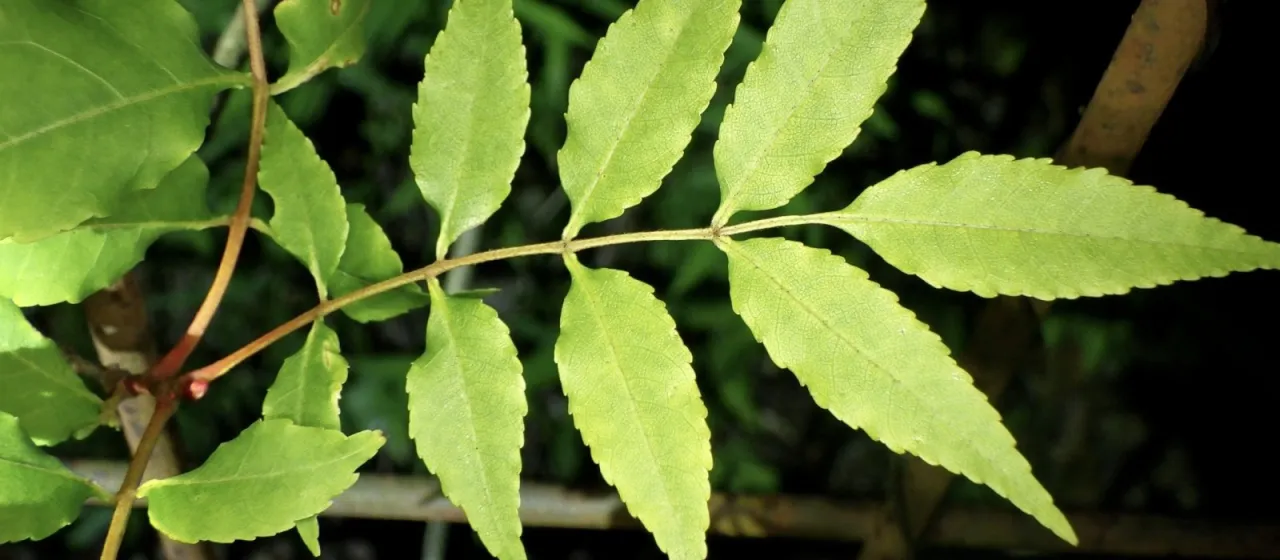
Description
Woolly ash (Fraxinus lanuginosa) is a deciduous tree species belonging to the Oleaceae family. Known for its distinct foliage and robust growth habit, this tree is a valuable asset in both forestry and landscape design, providing essential ecological benefits and structural beauty to its environment.
The native range of this species is primarily East Asia, covering regions such as Japan and the Korean Peninsula. It is highly adapted to temperate climates, showing significant resilience to fluctuations in seasonal temperatures. This geographical origin dictates its preference for specific moisture and lighting conditions typical of temperate forest zones.
Botanically, the Woolly ash is characterized by its pinnate leaves, which display a light, woolly pubescence, giving the plant its common name. The tree develops a strong, upright trunk and a spreading canopy, reaching maturity over several decades. Its growth rate is moderate, reflecting its ability to store resources effectively.
The cultivation of this species requires well-drained, nutrient-rich soil with a slightly acidic to neutral pH. While the tree is quite hardy once established, young saplings require consistent watering and protection from extreme desiccation. Adequate sunlight is essential for optimal foliage development and structural integrity.
Economically, the species is valued for its hard and flexible timber, used extensively in furniture manufacturing and tool handle production. Beyond its utilitarian wood properties, it is frequently utilized as a shade tree in public parks and gardens, contributing to urban biodiversity and air purification efforts.
- Excellent tolerance to diverse environmental conditions.
- Preference for deep, fertile soil profiles.
- Moderate maintenance requirement.
- High aesthetic value in landscapes.
Like many species in the genus Fraxinus, this tree can be susceptible to specific pests, including borers and leaf-eating insects. Disease management primarily involves monitoring for fungal pathogens that may affect the bark or leaves. Integrated pest management practices are recommended to ensure long-term tree health and vitality.