Description
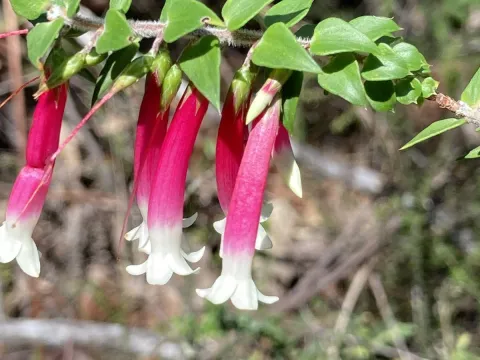
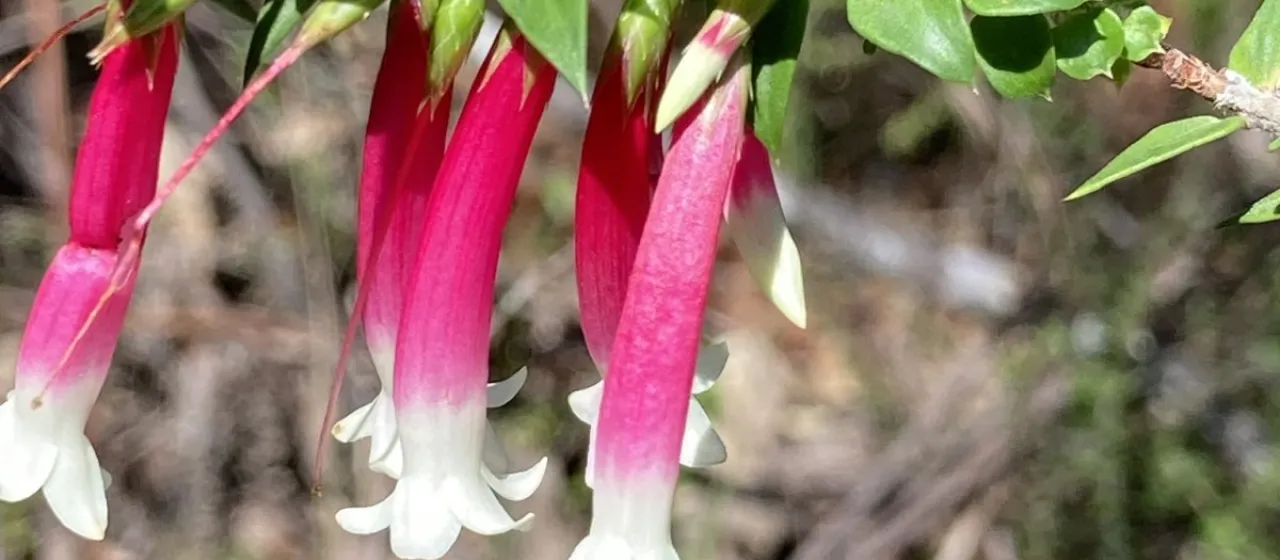
Fuchsia-heath (scientifically known as Epacris longiflora) is a stunning evergreen shrub belonging to the Ericaceae family. It is widely recognized for its pendulous, tubular flowers that display a vibrant combination of red and white, closely resembling the appearance of Fuchsia blooms, which explains its common name.
Native to the eastern regions of Australia, this species typically inhabits sandstone cliff faces and rocky woodland environments. Because of its specific ecological requirements, it is often cultivated as an ornamental shrub in containers or specialized alpine houses in regions where winter temperatures do not drop to extreme freezing levels.
Botanically, the plant features thin, wiry stems covered in small, pointed, dark green leaves. The signature long, bell-shaped flowers appear along the length of the stems, creating an elegant display. As a member of the heath family, it shares many physiological traits with other acid-loving plants, requiring specific soil conditions to thrive.
Success in cultivation depends primarily on the growing medium: it must be well-drained, acidic, and low in nutrients. A common issue is the susceptibility to root pathogens if the soil remains waterlogged. Therefore, careful attention must be paid to the drainage system in pots or garden beds to ensure the roots remain healthy and aerated.
- Light: Partial shade or filtered bright sunlight.
- Water: Consistent moisture using lime-free, soft water.
- Temperature: Cool conditions are essential, avoiding intense summer heat.
- Propagation: Primarily through softwood cuttings taken in late summer.
The main pests that affect Fuchsia-heath include spider mites, which thrive in dry indoor air, and scale insects. Diseases are usually related to improper cultural practices, such as Phytophthora root rot, which is common if the soil is too wet. Maintaining good air circulation and using appropriate, specialized fertilizers for Ericaceous plants can help prevent most health issues.
Photo gallery