
Description
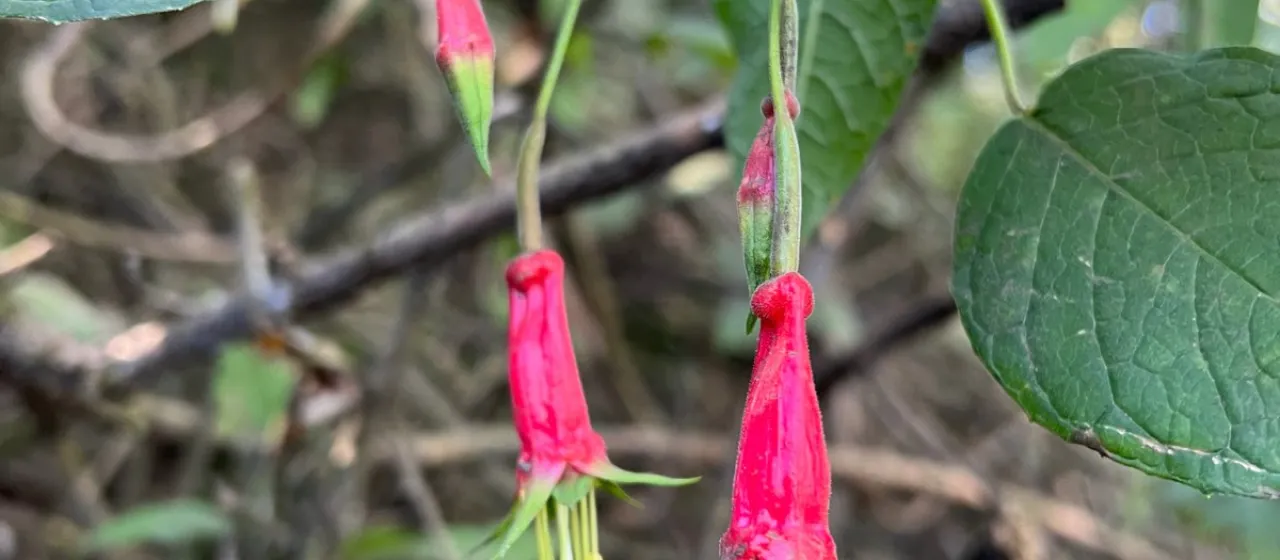
Fuchsia splendens is a perennial evergreen shrub belonging to the Onagraceae family. Unlike common commercial hybrids, this species is distinguished by its unique natural morphology, including elongated, tubular flowers that create an exotic and elegant aesthetic in horticultural settings.
The species is native to the mountain forests of Central America, specifically regions in Mexico and Guatemala. In its natural habitat, it thrives in cool, humid environments at high altitudes. Its cultivation requirements mirror these native conditions, making it an ideal choice for greenhouses, conservatories, and regions with temperate, stable climates.
Botanically, the plant features erect or slightly arching stems covered in heart-shaped, opposite leaves. The flowers are the primary interest, possessing bright pink to red tubular sepals with greenish petal tips. These structures are adapted for specialized pollination, and the plant produces oblong berries that contain numerous seeds, facilitating reproduction.
For successful cultivation, Fuchsia splendens requires a loose, well-draining, slightly acidic soil rich in organic matter. The plant thrives in bright, filtered light; intense direct sunlight can scorch the foliage and reduce bloom quality. Moisture management is critical, as waterlogging frequently results in root rot, while inconsistent watering leads to bud drop.
- Climate: Thrives at moderate temperatures between 15°C and 22°C.
- Fertilization: Balanced liquid fertilizers applied bi-weekly.
- Pruning: Regular tip pruning to maintain a bushy and healthy habit.
- Common pests: Spider mites, whiteflies, and aphids.
- Disease control: Monitoring for fungal pathogens in humid, stagnant air.
The commercial and ornamental use of Fuchsia splendens is primarily centered on high-end floriculture and botanical displays. It is a prized specimen for conservatory collections and container gardening on sheltered patios. Furthermore, it serves as a critical genetic source for breeders, who use its distinct traits to develop new, robust fuchsia varieties with enhanced environmental resilience.