
Description
Fuertesimalva limensis is a distinct plant species belonging to the Malvaceae (Mallow) family. It represents a group of vegetation well-adapted to the specific climatic conditions of Western South America, particularly the arid coastal environments where specialized flora thrives despite limited precipitation.
The plant originates from the coastal regions of Peru, which defines its name. Its natural habitat includes desert margins and semi-arid valleys, where it plays a role in the local ecosystem by stabilizing sandy substrates and providing ground cover in harsh, dry environments.
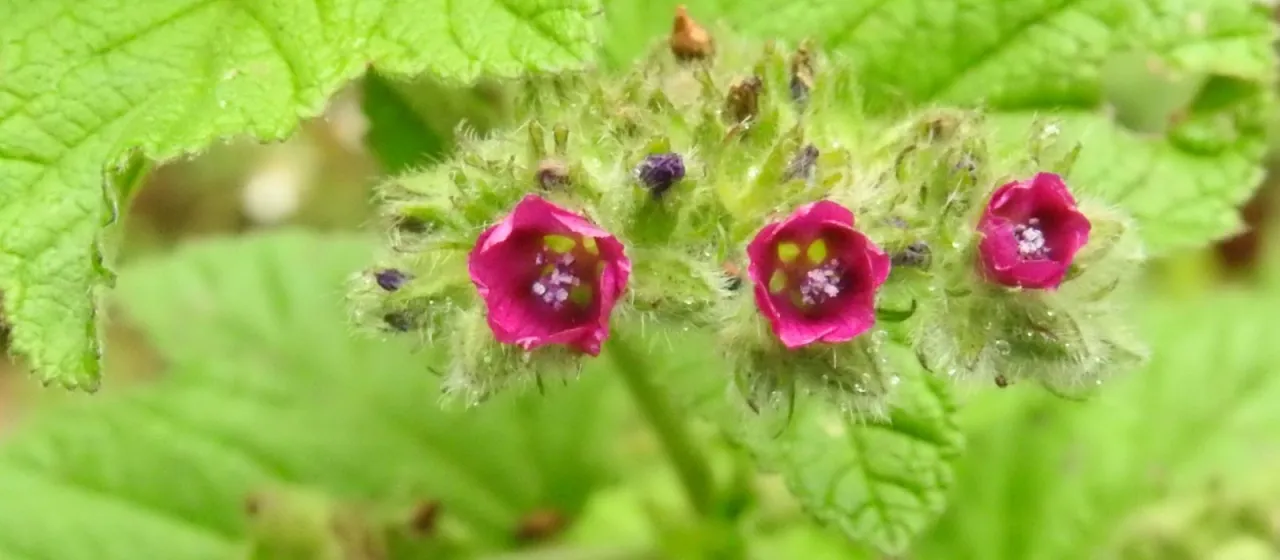
Botanically, Fuertesimalva limensis is characterized by its hardy nature, featuring pubescent leaves that help conserve moisture. The flowers are typical of the Malvaceae family, exhibiting a radial symmetry and often appearing in shades of white to light pink. The plant produces a sturdy root system, which allows it to thrive in nutrient-poor or mineral-rich soils common in coastal desert regions.
Agronomic requirements emphasize the need for excellent drainage and direct, intense sunlight. Cultivation practices should focus on maintaining a low moisture profile to prevent root decay. Regular monitoring of soil pH is recommended, as the plant prefers slightly alkaline to neutral conditions. It does not require intensive fertilization, making it a low-input crop suitable for marginal lands.
- Requires well-drained, sandy soil.
- Thrives in full sun exposure.
- Minimal water requirements once established.
- Susceptible to spider mites in high-humidity periods.
- Useful for erosion control and soil stabilization.
The primary agricultural and ecological use of this crop is in land reclamation and desertification control. While not currently grown as a major commercial commodity, its potential as a source of biomass in dry-land agriculture is a subject of ongoing interest. Farmers must watch for potential outbreaks of fungal pathogens like powdery mildew, which can occur if airflow around the foliage is restricted during irrigation.