
Description
White ramping-fumitory (lat. Fumaria agraria) is an annual herbaceous plant belonging to the Papaveraceae family. In agricultural settings, it is predominantly classified as a weed species, known for its ability to infest arable lands and compete with various crops for vital resources such as sunlight, water, and nutrients. Understanding its life cycle is essential for effective field management.
Originating from the Mediterranean region, this species has spread across various parts of Europe, Western Asia, and Northern Africa. It thrives in open, sunny environments and prefers loose, well-drained soils. In an agricultural context, it is commonly found in cereal fields, vegetable gardens, and disturbed lands, where it can establish large populations if not adequately suppressed through proper agronomic practices.
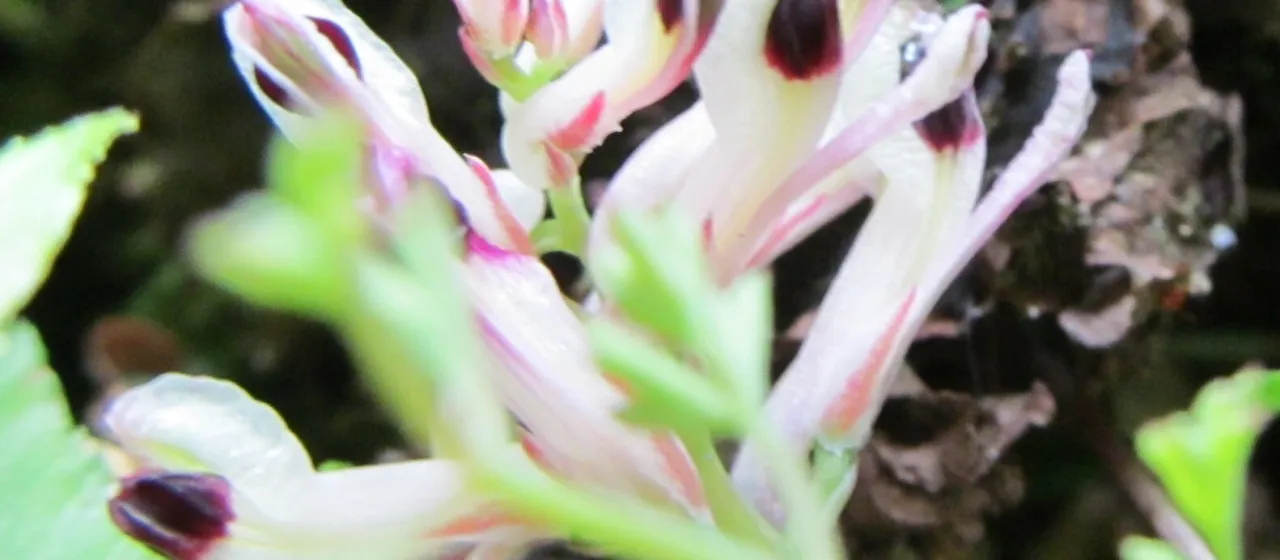
Botanically, Fumaria agraria is distinguished by its branched stems and finely divided, grayish-green leaves. The plant produces delicate, tubular flowers that are typically white or pale pink, often with a darker, purplish tip. Its growth habit is often scrambling or spreading, allowing it to occupy significant surface area quickly. The plant produces a large number of seeds, which are highly resilient and can remain dormant in the soil for several seasons.
Effective agronomic management requires a multi-faceted approach. Requirements for growth are generally met in nutrient-rich, moderately moist soils. Control measures should prioritize:
- Mechanical removal during early stages of development to prevent seed production.
- Proper crop rotation to disrupt the germination cycle.
- Application of selective herbicides compatible with primary crops.
- Monitoring of soil moisture and nutrient levels to prevent competitive advantages for weed growth.
Regarding its utility, while white ramping-fumitory is primarily viewed as a nuisance in modern farming, it contains chemical compounds such as alkaloids that have been traditionally utilized in folk medicine for their potential medicinal properties. However, its presence in fields poses risks, as it can harbor pests like aphids and facilitate the spread of fungal diseases, necessitating rigorous phytosanitary measures to maintain crop health.