
Description
Fumaria flabellata is an annual herbaceous plant belonging to the Papaveraceae family. While often categorized in agricultural settings as a field weed, the species exhibits distinct morphological and chemical properties that align with other members of the Fumaria genus, making it a subject of botanical interest for crop scientists.
The plant originates from the Mediterranean basin and is well-adapted to the temperate climate of Southern Europe and Northern Africa. It typically thrives in open, sun-exposed habitats, such as cultivated fields, fallow lands, and rocky slopes, where it competes effectively for nutrients and solar radiation.
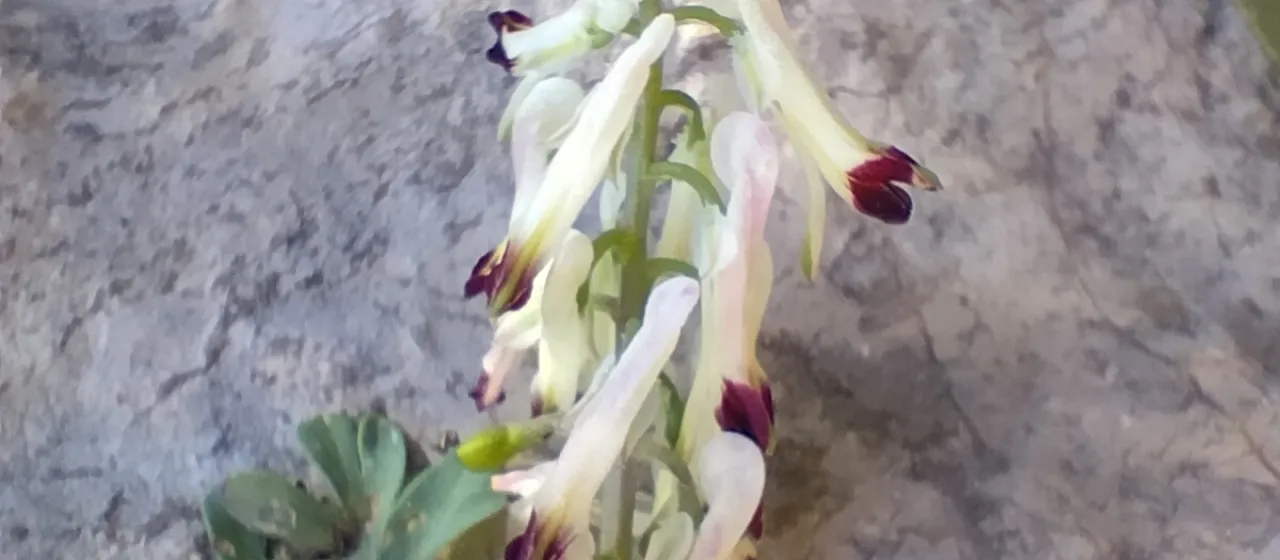
Botanically, Fumaria flabellata is characterized by its delicate, deeply divided foliage and terminal racemes of small, fan-shaped flowers. The plant usually grows to a height of 20 to 40 centimeters. Its shallow, fibrous root system allows for rapid nutrient uptake in the top layer of the soil during the early stages of development in the spring season.
In terms of cultivation and environmental needs, the plant prefers well-drained, neutral to alkaline soils. It requires consistent light and is sensitive to soil compaction, which hinders its development. Agricultural management practices should focus on maintaining adequate spacing and ensuring the soil structure remains loose to promote healthy respiration of the root zone.
The primary utility of this plant lies in its secondary metabolites, particularly alkaloid compounds utilized in pharmacological research. Common challenges in managing the species include susceptibility to powdery mildew and aphid infestations. Preventive measures such as crop rotation and balanced irrigation are essential to managing its presence in agricultural fields effectively.