
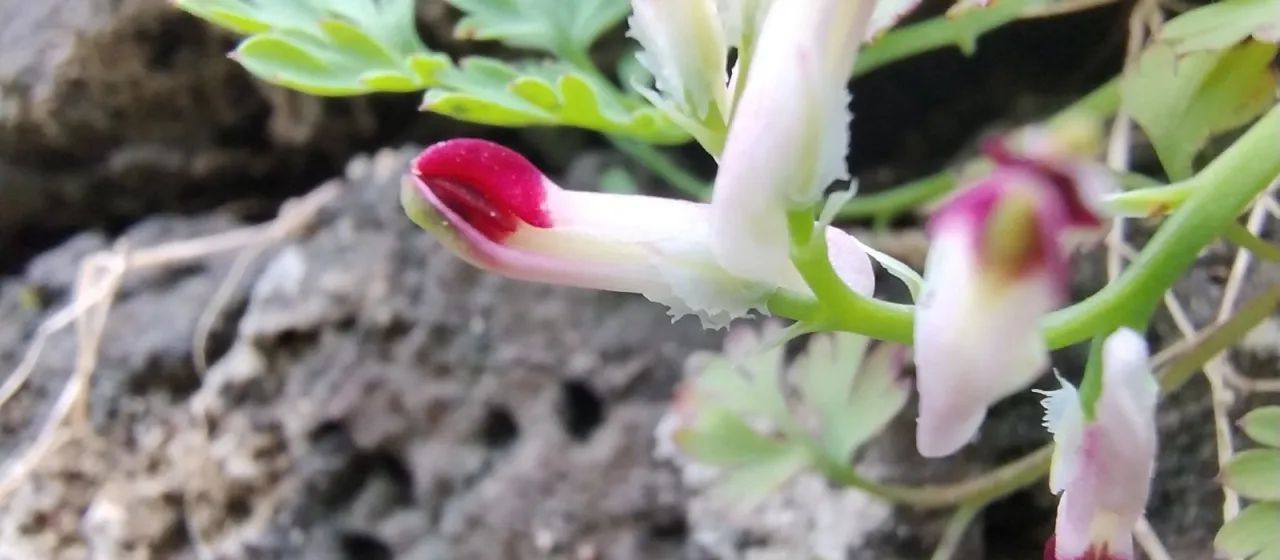
Description
Gaillard's fumitory (Fumaria gaillardotii) is an annual herbaceous plant belonging to the Papaveraceae family. While it is not typically grown as a crop, it is a significant species in agricultural ecosystems, often appearing as a persistent weed that competes with various field crops for essential resources such as light, nutrients, and soil water.
The species originates from the Mediterranean region and has extended its range across many parts of Europe and Western Asia. It thrives particularly well in arable lands, where it frequently infests winter cereal fields, vegetable crops, and orchards, benefiting from the tillage practices that expose its seeds to optimal germination conditions.
Botanically, Gaillard's fumitory is characterized by its branching stems that can reach up to 50 cm in height, fine feathery leaves with a glaucous color, and small pink to purple flowers arranged in racemes. It has a relatively modest root system, yet its ability to produce a high volume of seeds ensures its success in colonizing disturbed soil environments.
The management of this plant in an agricultural setting requires a combination of cultural and chemical strategies. Effective techniques include:
- Crop rotation to break the life cycle of the weed.
- Timely mechanical weeding during the early stages of crop growth.
- Application of selective post-emergence herbicides.
- Maintaining healthy crop density to provide natural shading.
The ecological and economic impact of Gaillard's fumitory stems from its competitive nature. Typical pests such as aphids often feed on the plant, making it a potential reservoir for viral diseases that can spread to cultivated crops. Fungal diseases, including powdery mildew, can also thrive on its foliage during humid growing seasons, affecting its overall vigor within the field.