
Description
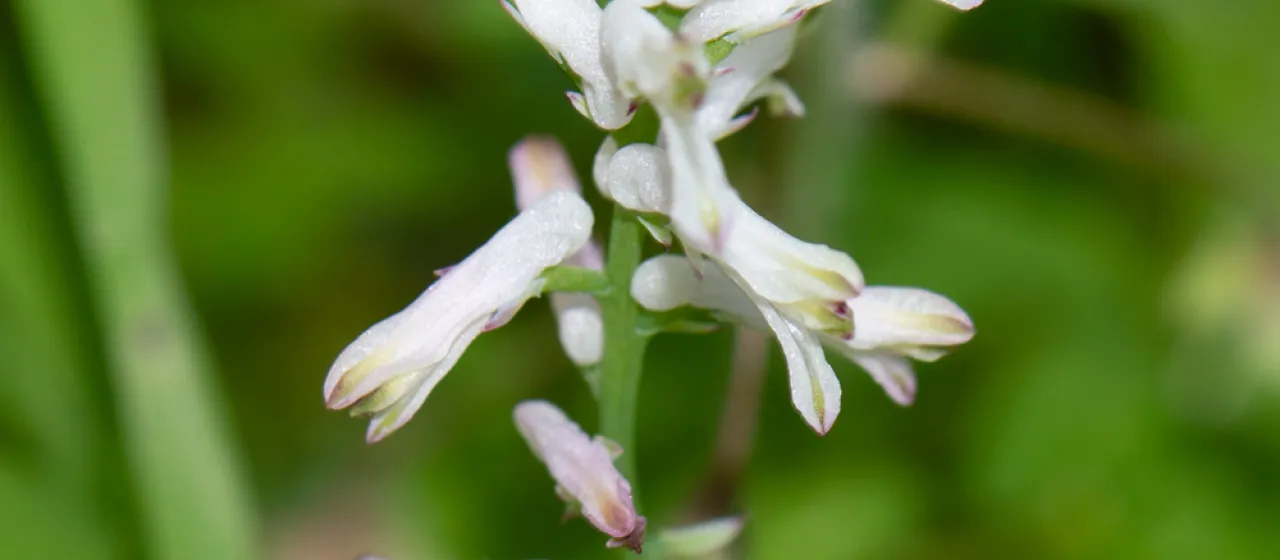
Large-fruited fumitory (Fumaria macrocarpa) is an annual herbaceous plant belonging to the Papaveraceae family. Known for its distinct morphological characteristics, it is primarily studied for its secondary metabolites, which possess significant biological activity and potential value for pharmaceutical applications.
The species is native to the Mediterranean region, where it occupies habitats characterized by well-drained soils and high sun exposure. In agricultural practices, it is considered a specialized crop requiring specific environmental conditions to thrive. It performs best in regions where mild winters allow for early vegetative development.
Botanically, the plant features finely divided, delicate foliage and racemes of tubular flowers. As the name macrocarpa implies, the fruit size is significantly larger than that of more common Fumaria species. This characteristic is a key identification marker and is relevant for seed harvesting and propagation efficiency.
The agrotechnical requirements for growing Fumaria macrocarpa involve the preparation of loose, well-drained soil with a neutral pH level. The plant is drought-tolerant once established but requires consistent moisture during the early seedling stage. Proper row spacing is essential to ensure adequate air circulation, which prevents the development of fungal pathogens.
The crop is susceptible to common pests such as aphids and specific beetles that feed on Papaveraceae. Effective management strategies involve a combination of biological controls and proper site selection. Diseases like powdery mildew can be mitigated through crop rotation and maintaining clean field borders to prevent cross-contamination with surrounding wild flora.