
Description
Wall fumitory (Fumaria muralis) is an annual herbaceous plant belonging to the Papaveraceae family. In agronomy, it is often classified as a common weed found in arable lands, gardens, and along fences, though it is also recognized for its historical use in traditional herbal medicine and secondary metabolites.
The plant originates from Western Europe and the Mediterranean basin. Over time, it has spread significantly across various temperate regions worldwide. Its adaptation to human-disturbed environments allows it to thrive in agricultural landscapes, often colonizing fallow fields and edges of managed crop lands with ease.
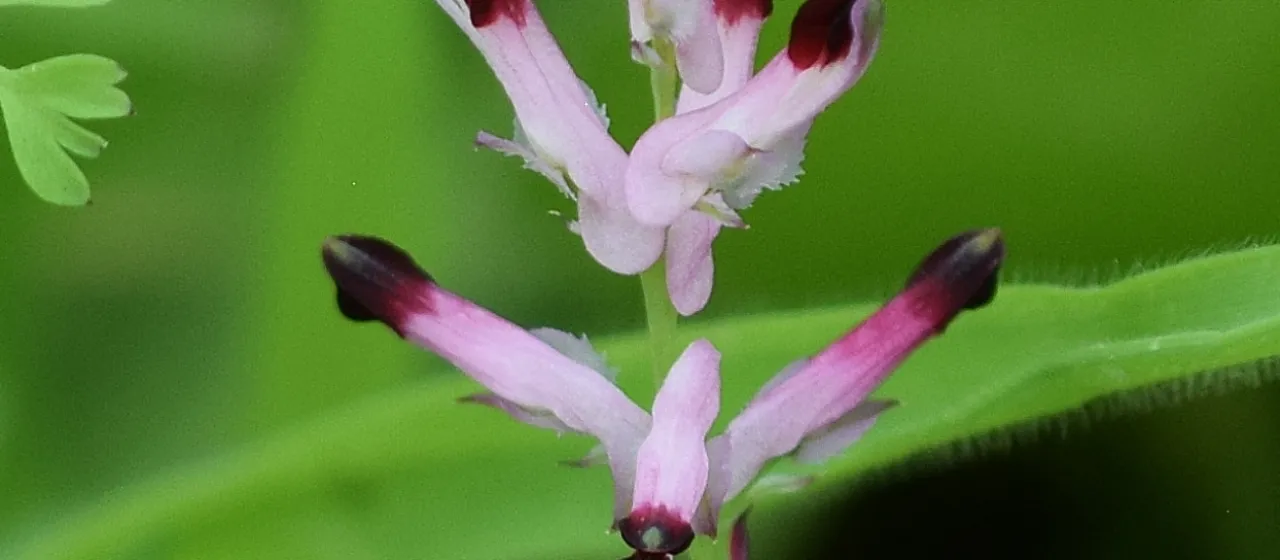
Botanically, it features delicate, branched stems with finely divided, glaucous leaves that provide an almost fern-like appearance. The flowers are small, zygomorphic, and arranged in racemes, typically displaying shades of pink or purple with darker tips. The root system is relatively shallow, making the plant efficient at utilizing surface moisture.
Regarding cultivation requirements, wall fumitory prefers well-drained, fertile, and loose soil conditions. In agricultural settings, it is essential to manage its population through regular weeding, as it can disperse seeds rapidly. Sunlight is a critical factor for growth; the plant performs best in open locations where it is not overshadowed by taller crops.
The primary agricultural interest lies in its use as a pharmacological resource. Common pests include aphids, which can infest the succulent stems, while powdery mildew is a typical fungal pathogen in humid conditions. Harvesting is usually performed during the full bloom stage to ensure the optimal concentration of beneficial alkaloids in the aerial parts.