
Description
Fumaria petteri is an annual herbaceous plant belonging to the Papaveraceae family. While often regarded as an agricultural weed, it is biologically significant due to its specific medicinal properties and its role in European ecosystems, particularly in cultivated landscapes and fallow fields.
The plant originates from Southern and Central Europe, with its main range covering the Balkan Peninsula and adjacent regions. It is well-adapted to temperate climates and typically thrives in areas with seasonal precipitation, often appearing as a companion plant in cereal crops or vegetable gardens where it benefits from soil disturbance.
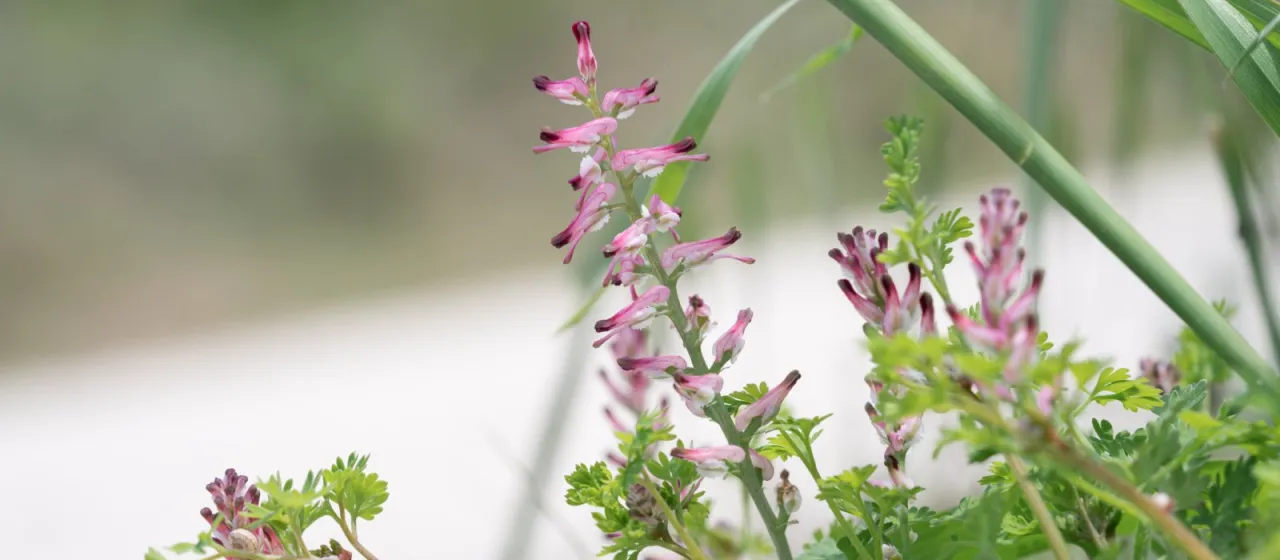
Botanically, Fumaria petteri is characterized by its delicate, sprawling stems and finely divided, glaucous-green leaves. Its inflorescences are racemes consisting of small, tubular flowers that range in color from pale pink to violet-red, providing a distinct appearance during the flowering season.
Regarding cultivation and soil requirements, the plant prefers well-drained, nutrient-rich soils with a neutral to slightly alkaline pH. It is sensitive to waterlogging, which can inhibit root development. In an agricultural setting, crop rotation and mechanical weeding remain the primary methods to manage its spread in intensive farming areas.
The economic importance of Fumaria petteri is centered on its use in pharmacology. It contains several alkaloids and fumaric acid, which are studied for their therapeutic potential. However, it is not currently grown as a major crop, with collection usually occurring from wild or semi-wild populations under strict regulation to prevent overharvesting.
- High seed production potential for rapid spread.
- Optimal growth in partial shade or full sunlight conditions.
- Susceptibility to standard broadleaf herbicide applications.
Like many plants in its family, it is susceptible to fungal pathogens like powdery mildew, especially in humid conditions. Pests such as aphids and spider mites can infest the foliage, necessitating integrated pest management strategies if the plant is being preserved or cultivated for research purposes.