
Description
Fumaria rostellata, commonly known as a type of fumitory, is an annual herbaceous plant belonging to the Papaveraceae family. While not a primary agricultural crop, it is frequently identified as a significant weed species that interferes with crop development in various arable farming systems across Europe and Western Asia.
The plant originates from temperate regions and has successfully established itself in diverse habitats, including agricultural lands, fallow fields, and disturbed soils. Its wide distribution is largely due to its ability to germinate throughout the growing season, provided that soil moisture and light levels are sufficient for its biological development.
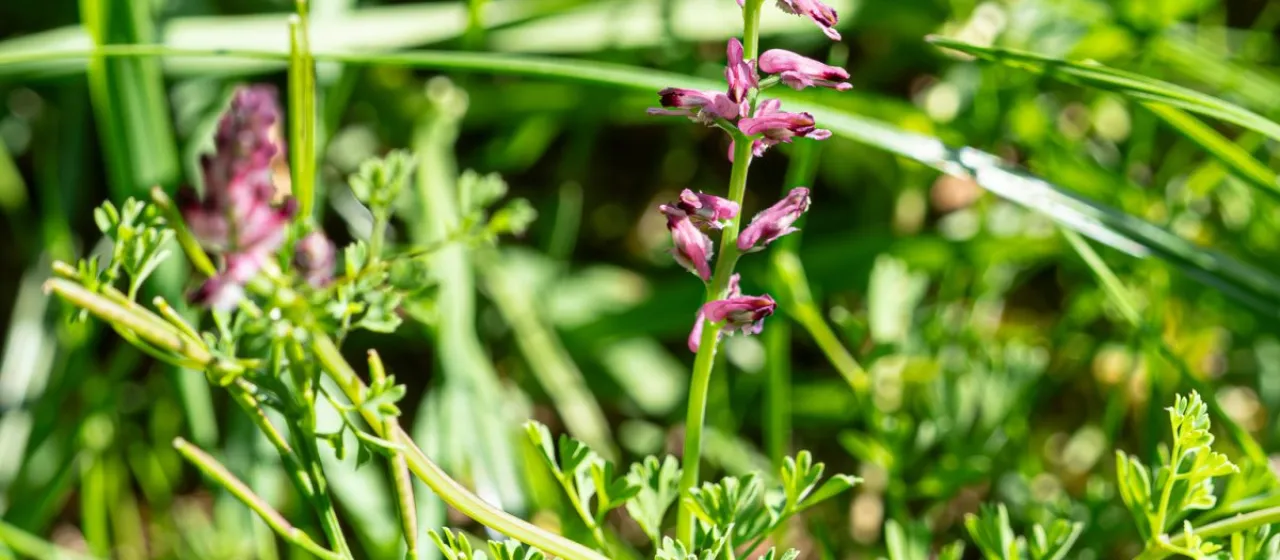
Botanically, Fumaria rostellata is characterized by its delicate, branched stems and finely divided, feathery leaves. The flowers are relatively small, typically pink or purplish, and grow in racemes. The plant's structure allows it to scramble over other vegetation, enabling it to reach sunlight effectively even when growing alongside taller crop varieties.
In terms of agricultural requirements, this species thrives on nutrient-rich, well-aerated soils. It is particularly competitive in spring-sown crops where the soil has been recently tilled. Without proper management, it can rapidly colonize gaps in crop stands, competing aggressively for water, nitrogen, and essential minerals during the early stages of crop growth.
To effectively manage this species in agricultural settings, farmers should prioritize integrated weed management programs. Key components of a successful control strategy include the following:
- Implementing crop rotations that disrupt the weed's life cycle.
- Applying mechanical weeding techniques before the plant reaches the flowering stage.
- Ensuring seed purity to prevent the introduction of weed seeds into the field.
- Targeted herbicide application in cases of high infestation density.