
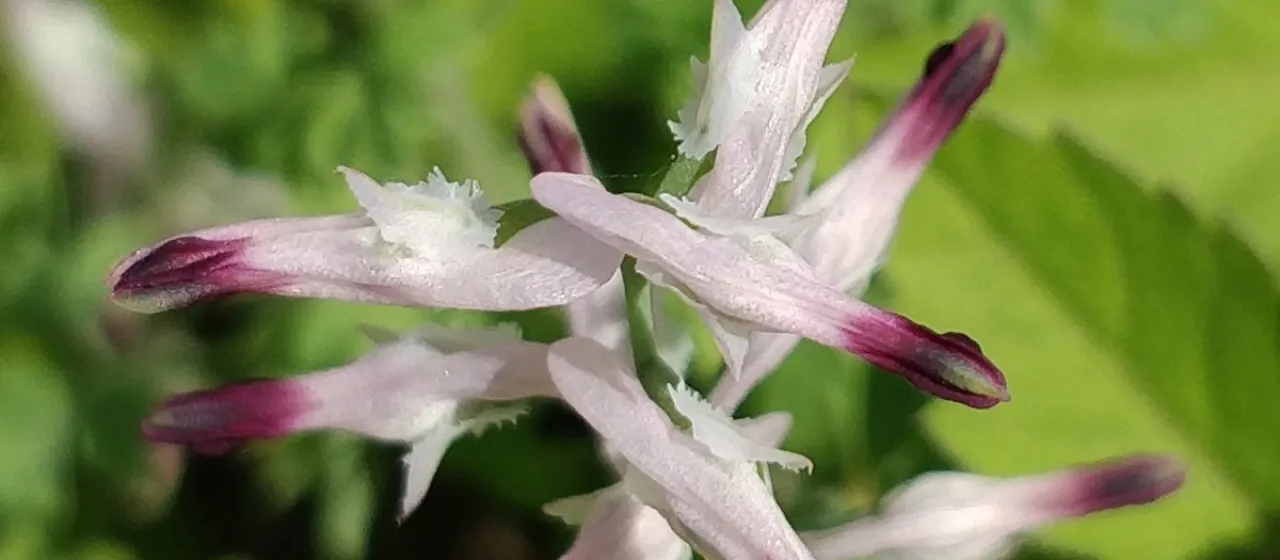
Description
Wall fumitory (Fumaria sepium) is an herbaceous annual plant belonging to the poppy family, Papaveraceae. Often found in natural landscapes, this species is noted for its distinctive delicate appearance and a complex profile of phytochemicals, which attract interest from botanical and pharmacological research circles.
The plant originates from the regions of Europe and Western Asia, where it thrives in temperate climates. Its natural habitat includes woodland margins, hedgerows, and scrubby areas. It prefers locations that offer protection from intense direct sunlight, typically thriving in sheltered spots where environmental conditions remain relatively stable throughout the season.
Botanically, the plant is characterized by brittle, often scrambling stems and fine, pinnately divided leaves with a glaucous-green appearance. The flowers are arranged in racemes and exhibit delicate pink or purplish hues with a darker, characteristic spot at the apex. Its root system is relatively shallow, necessitating consistent moisture in the upper soil profile.
Agricultural requirements focus on maintaining moderate soil moisture and providing a loose, well-draining growing medium. The crop performs best in fertile loamy soils with a neutral or slightly acidic pH. Proper cultivation practices involve avoiding soil compaction and ensuring that the plant is not subjected to drought stress during its peak growth phase.
- Decorative racemes.
- Rich in active alkaloids.
- Adaptable to semi-shaded conditions.
- Specific drainage requirements for healthy development.
The economic and agricultural use of wall fumitory is primarily focused on its pharmaceutical potential and its utility in naturalistic garden landscaping. Typical pests affecting this plant include aphids and spider mites, especially in confined or dry conditions. Fungal diseases, such as powdery mildew, may occur if air circulation is poor or if humidity levels are excessively high.