
Description
Funaria hygrometrica, commonly known as the cord moss, is a member of the Funariaceae family. While not a commercial agricultural crop in the traditional sense, it is a significant plant species used in laboratory research and serves as a classic model organism for studying plant development and bryophyte physiology.
The plant has a cosmopolitan distribution, occurring naturally in diverse environments across the globe. It is a well-known pioneer species, famously recognized for colonizing areas that have been recently burned, such as sites of old campfires. Its ability to quickly establish on disturbed soil makes it a key indicator of post-disturbance ecosystem recovery.
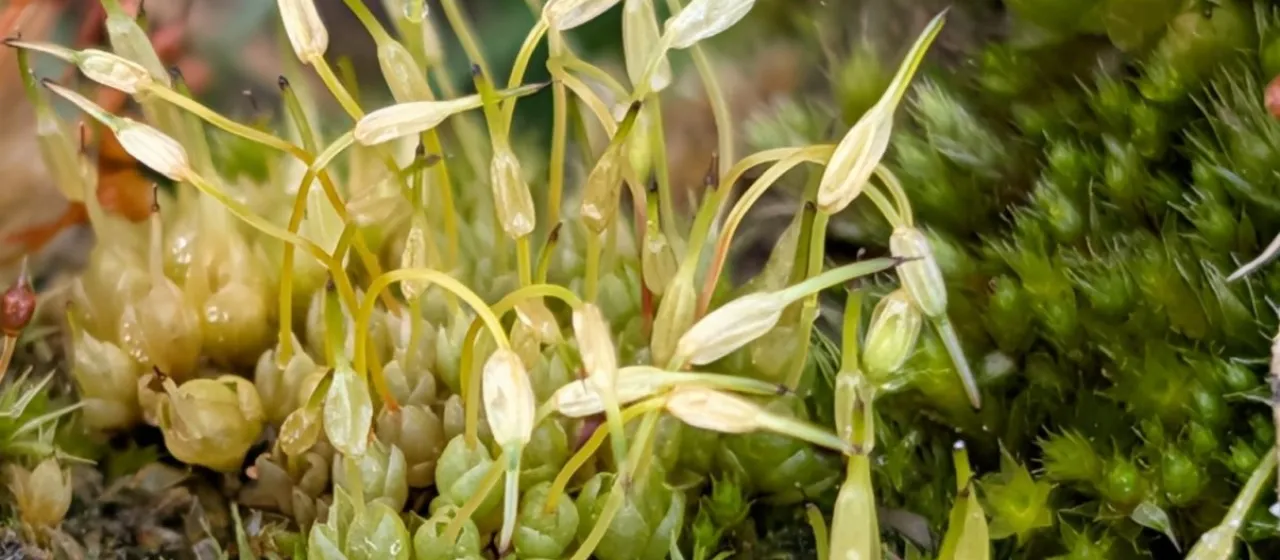
Botanically, this moss consists of small, yellowish-green tufts that reach a few centimeters in height. Its most notable feature is the sporophyte, which stands on a long, twisted seta. This stalk is hygroscopic, meaning it twists and untwists in response to changes in humidity, a mechanism that facilitates the dispersal of spores into the surrounding environment.
Regarding its environmental requirements, the cord moss prefers soils that are rich in mineral nutrients and have a neutral to slightly alkaline pH. In managed agricultural settings, the sudden appearance of Funaria hygrometrica can be an indicator of altered soil chemistry, often resulting from heat treatment or the excessive accumulation of mineral residues.
The practical utility of this moss lies in its function as a soil stabilizer. By forming a dense green cover on bare ground, it protects the topsoil from erosion and improves water retention. The plant is remarkably resistant to typical agricultural pests and pathogens, successfully occupying its ecological niche until larger vascular plants move in during the later stages of secondary succession.