
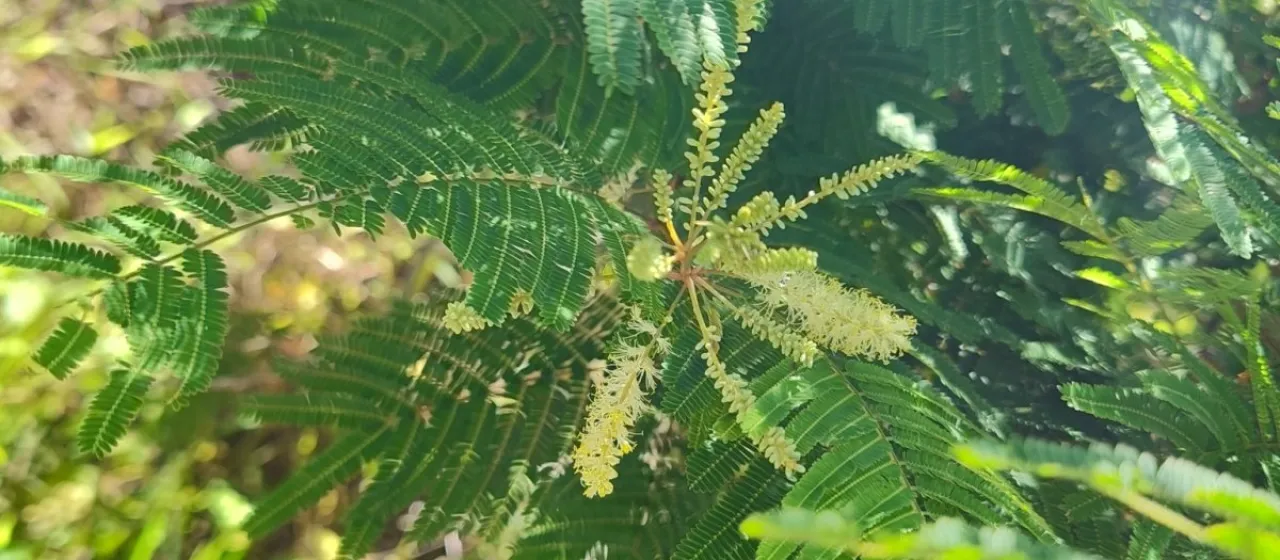
Description
Gagnebina pterocarpa is a woody shrub belonging to the Fabaceae family. It is a perennial plant known for its structural complexity and its role in nitrogen cycling in tropical ecosystems, making it a subject of interest for sustainable agricultural development in its native regions.
The species originates from Madagascar and is endemic to specific tropical habitats within the region. Its distribution is closely tied to climatic zones that offer high heat levels and distinct seasonal patterns, which are essential for the physiological processes and reproductive cycles of the plant.
Botanically, the plant is characterized by its bipinnate leaves and distinctive fruits featuring wing-like structures, which facilitate seed dispersal. As a member of the legume family, it possesses specialized root nodules that house symbiotic bacteria, allowing the plant to fix atmospheric nitrogen and improve local soil fertility.
Agricultural management of Gagnebina pterocarpa requires sandy or well-drained loamy soils. It thrives in full sunlight and shows significant drought tolerance once established. Farmers should ensure that seedlings have sufficient space for root development, as the plant can become quite dense and woody over time.
The primary uses of this culture include its role in agroforestry, where it serves as a windbreak and a soil stabilizer on hilly terrain. Additionally, it is used for local biomass production and as a green manure component. While generally hardy, the plant can be affected by specific wood-boring insects and fungal pathogens if grown in areas with poor drainage and excessive humidity.