Common snowdrop
Galanthus nivalis L.
Description
The Common snowdrop (Galanthus nivalis L.) is a perennial bulbous plant belonging to the Amaryllidaceae family. In agronomic practice, it is recognized as a specialty bulb crop valued for its early spring flowering period, representing a significant commercial interest for landscape contractors and specialized ornamental growers.
Originating from the woodlands and meadows of Central and Southern Europe, the plant has successfully naturalized throughout the temperate regions of the Northern Hemisphere. Its ability to thrive in diverse environments makes it a reliable choice for cold-climate gardens, where it acts as a staple for early season display.
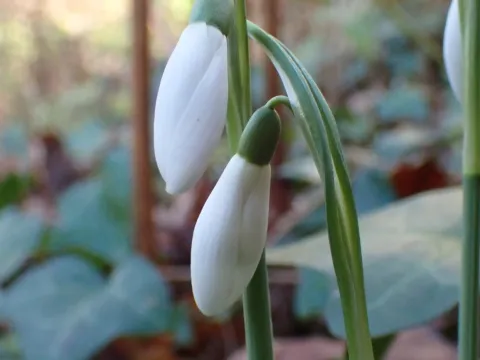
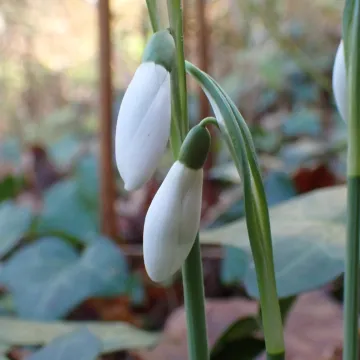
Botanically, the plant develops from a small, globose bulb that produces two to three linear leaves and a single, nodding white flower. The flower anatomy consists of six perianth segments arranged in two whorls. This structural adaptation allows the plant to protect its reproductive organs against fluctuating spring temperatures and lingering frost.
Regarding agrotechnology, the species prefers humus-rich, moist, but well-drained soils. Planting is typically performed in late summer or early autumn during the dormant phase. Proper moisture management is critical; while the plants require hydration during their active growth, the soil must not remain waterlogged during the summer rest period to prevent bulb rot.
The crop is mainly utilized for naturalized meadow planting, rock gardens, and container production. Key phytosanitary challenges include gray mold (Botrytis) and rust, which may arise in poorly ventilated conditions. Furthermore, bulb-feeding pests such as Narcissus fly larvae and rodents can pose serious threats. Integrated pest management, including regular inspection and soil drainage improvement, is essential for maintaining crop health.
Photo gallery