
Description
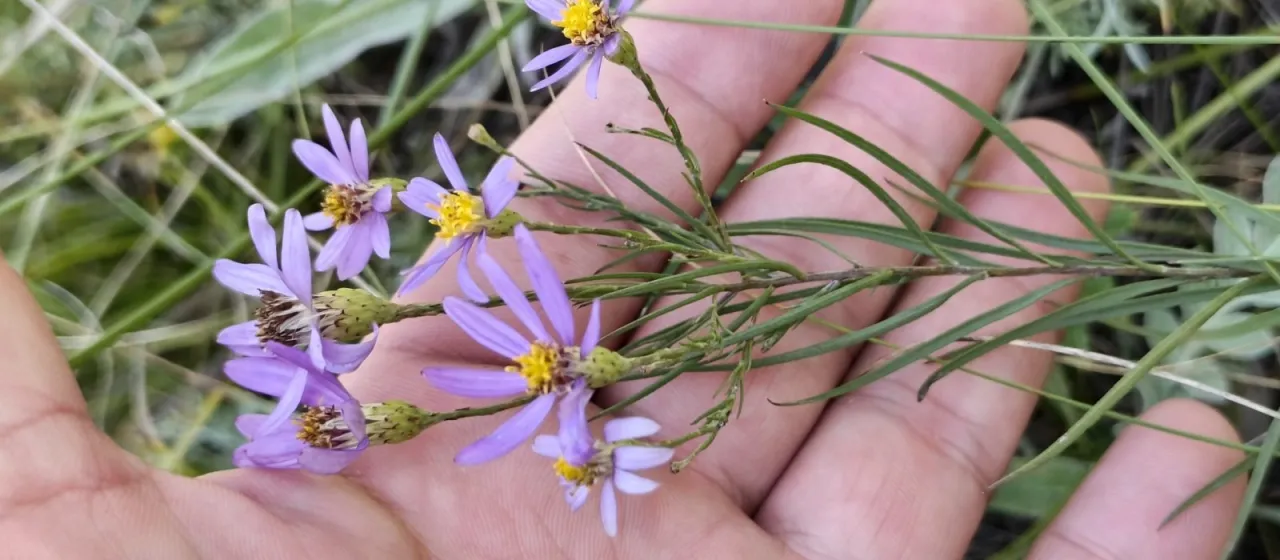
The narrow-leaved goldilocks aster (Galatella angustissima) is a perennial herbaceous plant belonging to the Asteraceae family. Known for its resilience, it is widely recognized in ecological studies as a drought-tolerant species capable of thriving in harsh environmental conditions that would be unsuitable for more conventional agricultural crops.
Its natural distribution covers the vast steppe and forest-steppe zones of Eurasia, ranging from Southern Europe to Central Asia and Siberia. This plant is a typical representative of xerophytic vegetation, having evolved to optimize growth in regions with high solar radiation and restricted soil moisture, which makes it a valuable candidate for dryland farming projects.
Botanically, the plant is characterized by its slender, linear leaves and a branched, hardy root system. It typically reaches a height of 20 to 60 centimeters. The plant produces vibrant yellow inflorescences in the form of composite heads, which appear during the mid-to-late summer season, providing a critical late-season resource for pollinators.
The agronomic requirements for Galatella angustissima emphasize well-drained, nutrient-poor to moderately fertile soils. It is highly valued for its soil-binding properties, which help prevent erosion. Proper site selection is vital, as the plant demands full sun exposure to maintain optimal physiological activity and to prevent developmental delays caused by shading.
Economic and agricultural utility of this species include:
- Soil stabilization and land reclamation of degraded steppes.
- Beekeeping support as a significant late-summer honey-producing forage.
- Secondary use in herbal medicine for its traditional anti-inflammatory properties.
- Ornamental use in sustainable, water-wise landscaping designs.
The plant is relatively robust, though it can be susceptible to powdery mildew during periods of excessive humidity or poor air circulation. Common pests such as aphids or leaf-eating larvae may occur, but they rarely reach economic injury levels if healthy growth conditions and proper spacing are maintained. No intensive chemical interventions are typically needed for cultivation.