
Description
Galatella cana is a perennial herbaceous plant belonging to the Asteraceae family. Known for its remarkable resilience, this culture is highly adapted to extreme environmental conditions, making it an object of interest for research in sustainable agriculture and soil conservation practices in arid and semi-arid regions.
The origin of this species is traced back to the steppe and forest-steppe zones of Eurasia. Its natural habitat includes dry meadows, rocky outcrops, and saline soils. In an agricultural context, Galatella cana is primarily valued for its ability to thrive in degraded landscapes where other commercial crops might struggle to establish or sustain growth.
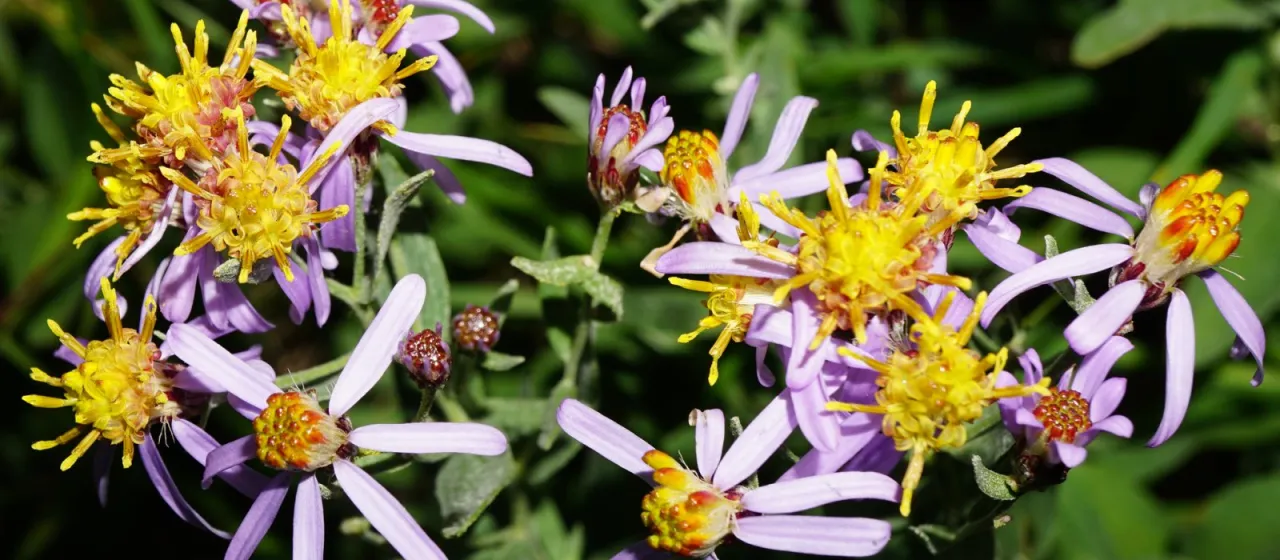
Botanically, Galatella cana is characterized by its erect, densely pubescent stems, which give the plant a distinctive greyish appearance. The leaves are narrow and lanceolate, adapted to minimize water loss. The plant produces corymbiform inflorescences composed of numerous small flower heads, which are highly attractive to a variety of pollinating insects during the summer season.
Climate and soil requirements for this culture are specific to well-drained, sun-exposed sites. The plant prefers neutral to slightly alkaline, light-textured soils. It demonstrates excellent drought tolerance, but prolonged waterlogging can lead to root system degradation. Proper agrotechnical management involves deep soil cultivation to ensure adequate aeration for the taproot.
Agricultural and хозяйственное applications for Galatella cana are diverse:
- Ornamental horticulture for xeriscaping and drought-resistant gardens.
- Apiculture as a reliable late-season nectar source for bees.
- Soil stabilization projects to prevent erosion on slopes.
- Investigation of secondary metabolites for potential pharmacological uses.
Plant health is mainly affected by fungal diseases when humidity levels are excessively high, particularly powdery mildew. Common insect pests include various species of aphids that feed on young, succulent shoots. Preventive measures center on maintaining appropriate plant spacing to ensure air circulation and monitoring the field during critical growth stages to minimize potential damage.