
Description
The Goldilocks aster (lat. Galatella linosyris) is a perennial herbaceous plant from the Asteraceae family. Originating from the diverse habitats of Eurasia, this plant is well-known for its adaptability to dry, sunny environments. In agricultural contexts, it is appreciated for its resilience and its specific role in dry-meadow restoration and supporting local pollinator populations.
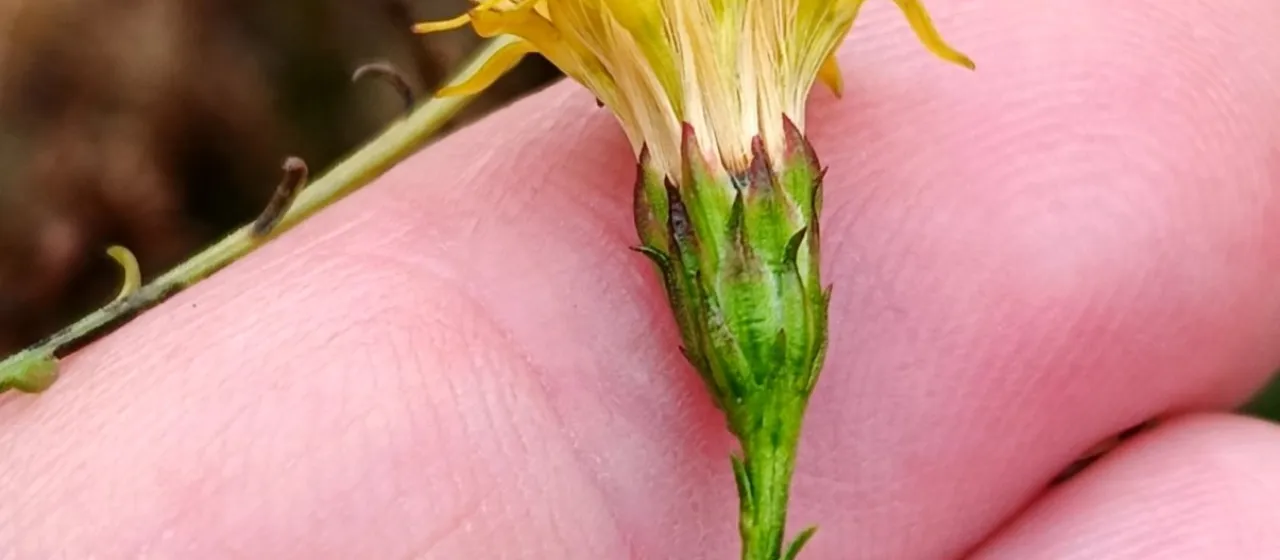
From a botanical standpoint, the plant features narrow, linear leaves resembling flax, which gives it a distinct appearance. It grows up to 60 cm in height, bearing clusters of vibrant yellow flower heads that bloom from late summer into autumn. Its structural integrity and uniform growth make it a highly desirable candidate for low-maintenance horticultural and agricultural landscaping.
The crop thrives in temperate climates, requiring full sun and excellent drainage. It is highly drought-tolerant, making it suitable for regions with limited rainfall. In terms of soil, it prefers sandy or well-drained loamy soils with a neutral or slightly alkaline pH. It generally performs poorly in heavy, waterlogged clay soils, which can lead to root damage and poor development.
Agronomic management of Galatella linosyris focuses on initial weed control, as the seedlings develop relatively slowly. Once established, the plants are quite robust and require little intervention. Propagation can be achieved through seeds or crown division. For commercial purposes, it is managed as a perennial crop, with minimal need for fertilization due to its natural adaptation to lean soils.
- Excellent drought tolerance and winter hardiness.
- Significant value for pollinator conservation.
- Suitable for erosion control on slopes and dry fields.
Common issues include aphid infestations, which can be managed through biological control or mild organic interventions. Fungal diseases, such as powdery mildew, may occur in conditions with poor airflow and high humidity. Maintaining proper spacing between plants and ensuring optimal site drainage are essential strategies for preventing these problems and ensuring high yield and plant health.