
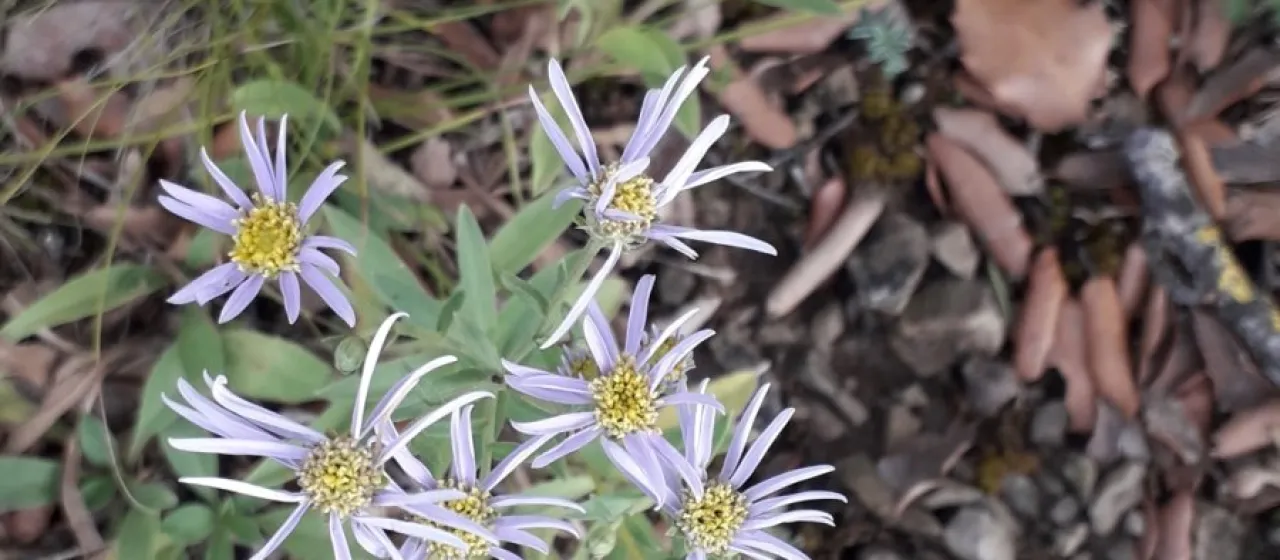
Description
Saltmarsh aster (Galatella sedifolia) is a perennial herbaceous plant belonging to the Asteraceae family. Known for its structural integrity and aesthetic appeal, this species is increasingly valued in sustainable landscaping and specialized agricultural projects focused on drought-resistant flora.
The plant originates from the Eurasian steppe and forest-steppe zones. Its natural distribution is linked to regions characterized by high sun exposure and well-drained soils. Consequently, it has evolved to thrive in environments where typical water-intensive crops fail, making it a reliable choice for xeriscaping.
Botanically, it features slender, grey-green foliage and clusters of violet-blue flower heads that bloom from late summer into early autumn. Its growth habit is compact and sturdy, with stems reaching heights of 60 to 80 centimeters. The plant is well-adapted to surviving harsh, dry summers due to its efficient water-retention mechanisms.
Agricultural requirements focus on site selection rather than intense input. It thrives in neutral or slightly alkaline, sandy, or loamy soils with excellent drainage. Once established, the culture requires minimal intervention, needing only occasional maintenance to remove old foliage and ensure adequate aeration of the soil surface.
Primary uses include decorative gardening, erosion control on slopes, and support for local pollinator populations, as the plant serves as a late-season nectar source. Common issues to monitor include fungal infections during periods of excessive humidity and occasional aphid infestations, which can be managed through simple integrated pest control methods.