
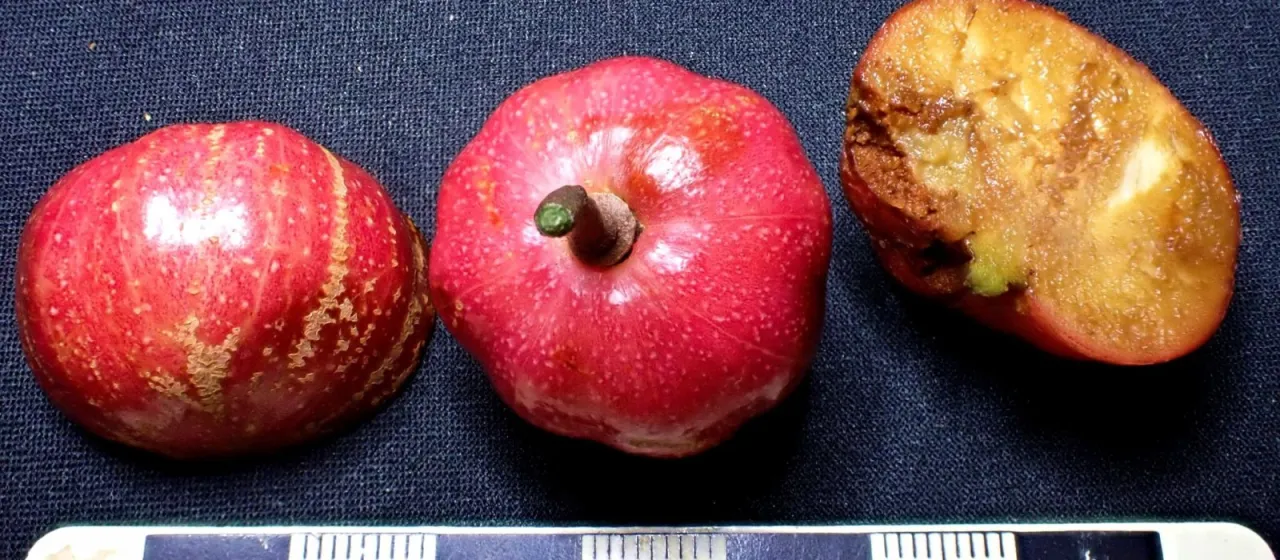
Description
Galbulimima belgraveana is a remarkable tropical tree belonging to the Himantandraceae family. Recognized for its structural significance in rainforest ecosystems, this evergreen tree grows to a considerable height and serves as a vital component of the canopy in its native environment.
The plant originates from the tropical regions of Papua New Guinea, the Moluccas, and parts of Northern Australia. It thrives in high-humidity climates with rich, nutrient-dense volcanic or alluvial soils. Due to these specific requirements, it is not cultivated as a standard field crop but exists mainly in wild or protected botanical settings.
Botanically, Galbulimima belgraveana is distinguished by its leathery, aromatic leaves and spherical fruits. The bark and foliage contain complex chemical compounds, including a unique profile of alkaloids that have been the subject of several pharmacological studies due to their potential biological activity.
In terms of economic and social use, the plant is primarily valued in traditional ethnobotanical practices. Indigenous communities have utilized parts of the tree for generations in rituals and medicinal preparations, benefiting from the plant's potent bioactive properties which act as central nervous system agents.
Key factors regarding its biology and management include:
- High sensitivity to soil pH and moisture balance.
- Susceptibility to specific tropical fungal diseases that affect leaf health.
- Slow maturation process requiring a stable forest microclimate.
The cultivation of this species remains a specialized niche, often restricted to scientific research stations or botanical gardens focused on conservation. Understanding its chemical composition continues to be a priority for researchers interested in developing new therapeutic agents derived from rare tropical flora.