
Description
The narrow-leaved hemp-nettle (Galeopsis ladanum) is an annual herbaceous plant belonging to the Lamiaceae family. In modern agricultural practice, it is primarily recognized as a persistent weed found in cereal fields, vegetable crops, and disturbed soils, requiring systematic management strategies to mitigate its negative impact on crop yields.
Native to Europe and parts of Asia, this plant has adapted to various temperate climates. It demonstrates a strong preference for well-drained, light, sandy, or stony soils. Its expansion is largely facilitated by agricultural activities, as it frequently colonizes cultivated fields where tillage practices disturb the soil and provide the necessary conditions for seed germination and rapid vegetative growth.
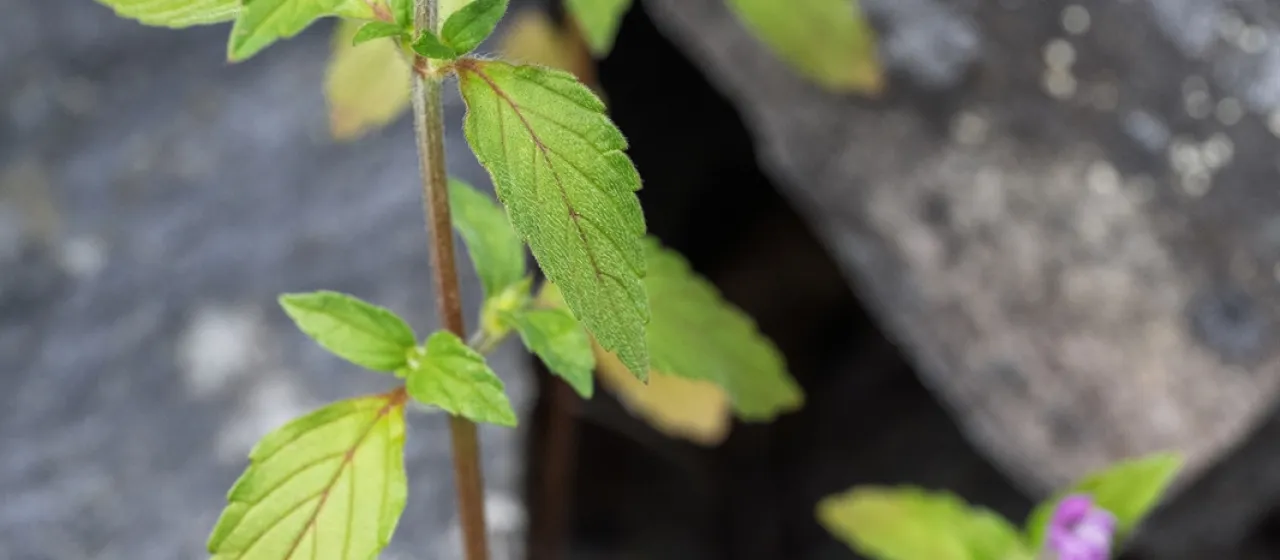
Botanically, Galeopsis ladanum is characterized by a branched, upright stem reaching 10–40 cm in height, typically covered with fine, appressed hairs. The leaves are narrow, lanceolate, and arranged oppositely along the stem. Its flowers, which bloom from early summer to early autumn, are arranged in whorls and display a distinct pinkish-purple color, distinguishing the species within its family.
Regarding agronomic requirements, the plant thrives in low-nutrient environments where competition from faster-growing crops might otherwise be limited. Effective management relies on cultural practices such as crop rotation, competitive sowing densities, and timely mechanical cultivation. Chemical control via selective herbicides is often necessary if the infestation density exceeds the economic threshold, as a single plant can produce a significant volume of seeds that remain viable in the soil for years.
From an agricultural standpoint, the narrow-leaved hemp-nettle is considered a nuisance rather than a crop, as it competes for soil moisture and light. While it is rarely the primary host for major crop pests, it can harbor generalist insects like aphids. Disease management is rarely a focus for this plant, as its natural resilience to common fungal pathogens ensures its persistence as a weed in diverse agricultural landscapes.
- High seed production capacity.
- Adaptable to diverse soil types.
- Competition with cereal crops for nitrogen.
- Susceptibility to specific broadleaf herbicides.