
Description
The Pyrenean hemp-nettle (Galeopsis pyrenaica) is a distinct perennial herbaceous plant belonging to the Lamiaceae family. While many members of the Galeopsis genus are considered common agricultural weeds, this specific species is recognized for its specialized ecological niche and its adaptation to the harsh environments of high-altitude mountain ranges.
The plant is native to the Pyrenees, where it primarily inhabits scree slopes, rocky terrain, and alpine meadows. Its distribution is restricted by its need for specific elevations and geological substrates. These natural habitats provide the plant with the intense solar radiation and excellent drainage it requires to survive in mountainous climates.
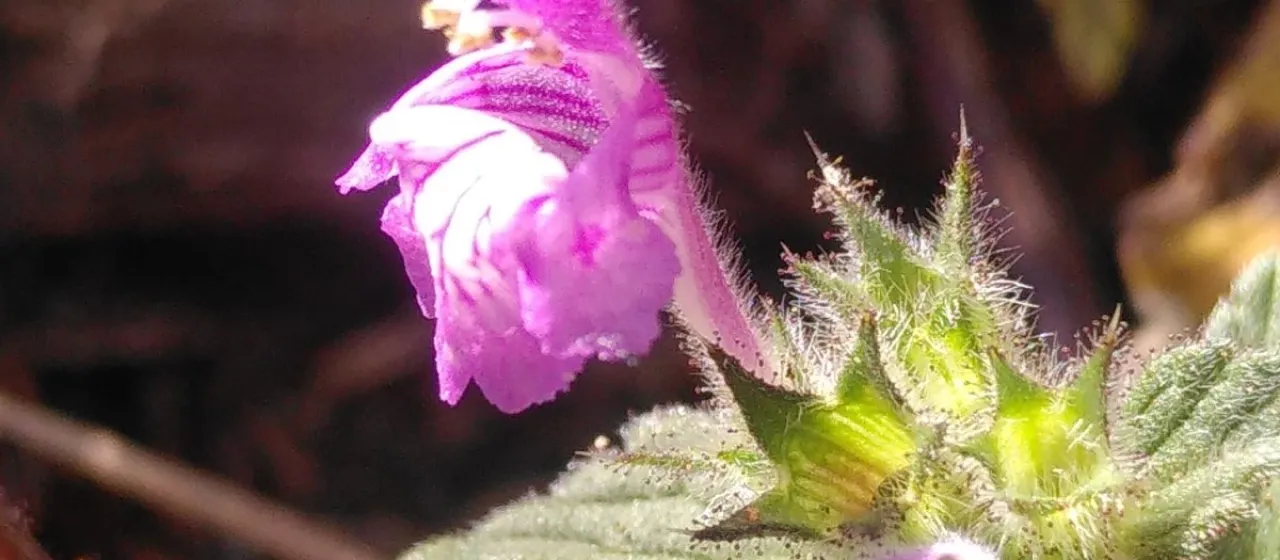
Botanically, Galeopsis pyrenaica is characterized by its erect, pubescent stems and opposite, lanceolate leaves. Its inflorescences consist of showy, pink to violet-purple flowers arranged in false whorls. The plant's morphology is highly adapted to prevent moisture loss, featuring specialized hairs and a robust root system that helps anchor it in shifting stony soils.
Cultivation of this species requires mimicking its natural mountain environment. Key agronomic requirements include mineral-rich, well-draining limestone-based soils and a climate with significant diurnal temperature fluctuations. Overwatering is the most common cause of failure in cultivation, as the species is highly sensitive to root rot, necessitating a strictly controlled watering regimen.
In terms of agricultural and horticultural utility, the species is mainly valued for scientific research and specialized alpine gardening. Due to its limited distribution and unique secondary metabolite profile, it is studied for its potential in pharmaceutical applications.
- Requires cool nights for optimal growth
- Prefers full sun exposure
- Minimal fertilizer inputs required
- Excellent for high-altitude rock gardens