
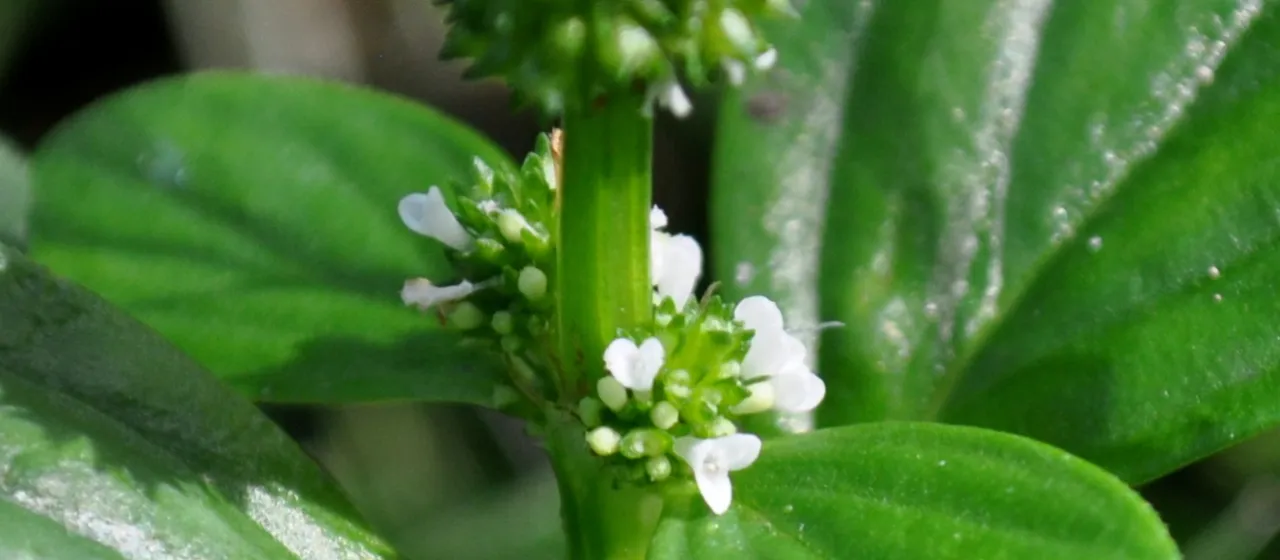
Description
Galianthe palustris is a perennial herbaceous plant belonging to the Rubiaceae (madder) family. This species is particularly noted for its ecological niche, as it thrives in environments that are typically challenging for most standard agricultural crops. Its scientific name, derived from the Latin «palustris» (of the marsh), underscores its unique physiological adaptation to high-moisture and periodically flooded soils.
The origin and natural range of this species are rooted in the tropical and subtropical regions of South America, including countries such as Brazil and Argentina. It naturally colonizes riverbanks, riparian zones, and seasonal wetlands. This evolutionary history dictates its preference for sites with high water availability and nutrient-rich, alluvial soils that remain moist throughout the growing season.
Botanically, Galianthe palustris displays the characteristic opposite leaf arrangement typical of the Rubiaceae family. The plant develops branched stems and dense inflorescences. Its most critical feature is the development of aerenchyma tissue in the roots, an anatomical modification that facilitates oxygen transport to subterranean structures in anaerobic, waterlogged soil conditions, providing a competitive edge in wetland habitats.
Cultivation requirements focus heavily on hydration management. Unlike traditional crops that suffer from root rot in wet conditions, this species requires consistent soil moisture to achieve optimal biomass production. It prefers well-drained but high-water-retention soils enriched with organic matter. Proper spacing is essential to ensure adequate airflow, preventing the development of fungal pathogens during periods of high humidity.
The primary directions for хозяйственного (economic/environmental) use are:
- Restoration and bioremediation of wetland ecosystems.
- Ornamental use in water gardening and riparian landscaping.
- Research into the pharmacological potential of phytochemicals found within the Rubiaceae family.