
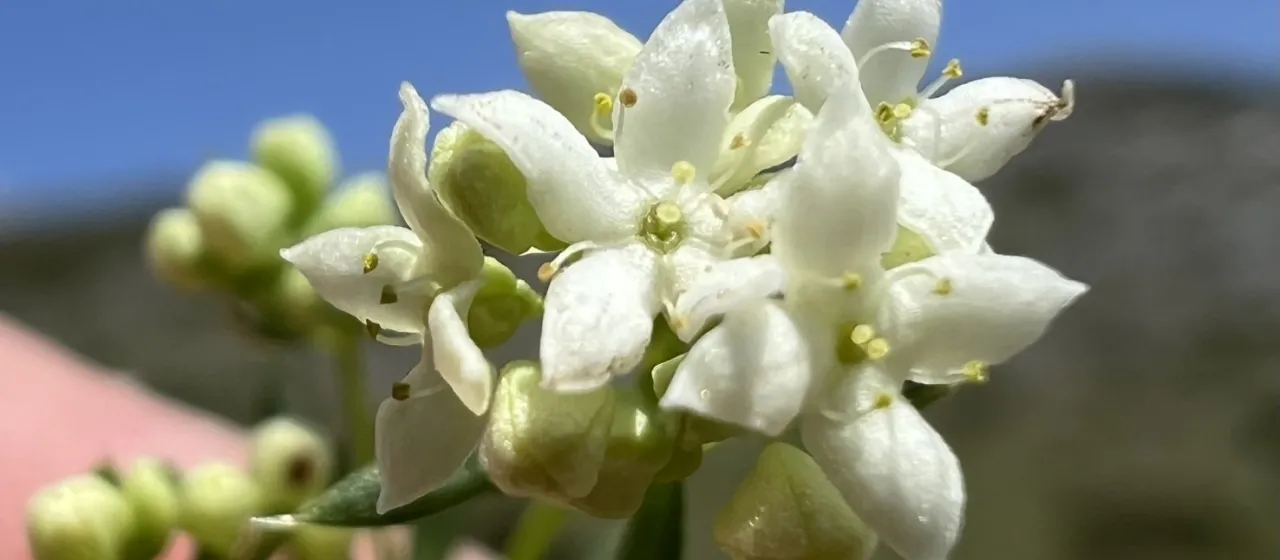
Description
Slender bedstraw (Galium anisophyllon) is a perennial herbaceous plant belonging to the Rubiaceae family. Within the agricultural sector, it is recognized as a significant forage component of mountain ecosystems, contributing to the nutritional density and overall biomass of high-altitude grasslands.
The species originates from the mountainous regions of Europe, particularly the Alps, Pyrenees, and Carpathians. It thrives in subalpine and alpine zones, preferring rocky, well-drained slopes and open meadows where it can compete effectively with other alpine vegetation under harsh environmental conditions.
Botanically, the plant is characterized by its prostrate or semi-erect stems forming dense mats. The leaves are arranged in whorls, typically narrow and lanceolate in shape. The plant blooms in mid-summer, producing small, white, delicate flowers that form terminal panicles, reflecting the classic inflorescence structure of the genus Galium.
Regarding cultivation requirements, it prefers calcareous soils with a neutral to slightly alkaline pH. It is highly resistant to low temperatures and frost, making it well-adapted to short growing seasons. Agricultural management of this plant focuses on the preservation of natural pastures rather than intensive tillage or intentional sowing.
- Soil stabilization on mountainous slopes.
- Enhancing the nutritional quality of mountain forage.
- Contribution to local biodiversity conservation.
The primary economic value of this plant lies in its role as high-quality forage for livestock, particularly sheep and goats, in mountainous regions. Common pests and diseases affecting the plant include various leaf-spot fungi and specific lepidopteran larvae, which typically do not require chemical intervention in balanced, healthy wild meadows.