
Description
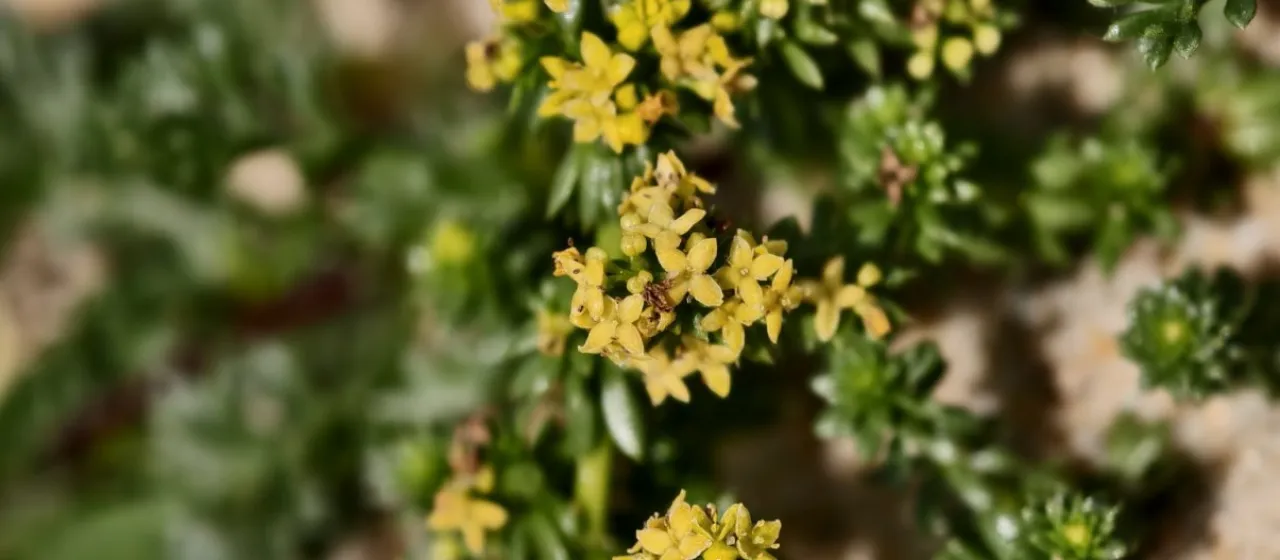
Sand Bedstraw (Galium arenarium) is a perennial herbaceous plant belonging to the Rubiaceae family. It is a highly specialized species adapted to harsh environments, particularly sandy substrates and coastal dunes, where it plays a critical role in stabilization and ecosystem health.
The origin of this species is tied to the Atlantic and Baltic coasts of Europe. It is naturally occurring in habitats characterized by extreme drainage and nutrient-poor, sandy soils. Due to its evolutionary path, the plant has developed a unique biological strategy to thrive in areas where moisture availability is inconsistent and competition from aggressive invasive species is limited.
Botanically, Sand Bedstraw is identified by its prostrate or ascending stems, linear leaves arranged in whorls, and small, pale yellow flowers arranged in terminal panicles. Its root system is exceptionally efficient at binding loose sand particles, which makes it a subject of interest for land reclamation projects aimed at halting wind erosion.
Agricultural requirements for Galium arenarium are specific. It performs best in well-drained, sandy soils with a neutral pH. Unlike traditional crops, it does not require high levels of fertilization; in fact, excessive nitrogen can be detrimental to its growth, leading to susceptibility to diseases. Irrigation should be carefully managed to prevent root rot, as the species is sensitive to waterlogging.
In terms of utilization, Sand Bedstraw is predominantly valued for its role in sustainable land management and phytoremediation of sandy soils. Potential medicinal applications are still being studied, as the species contains various secondary metabolites. Common threats include rust diseases under humid conditions and various insects that target its delicate foliage during the late spring period.