
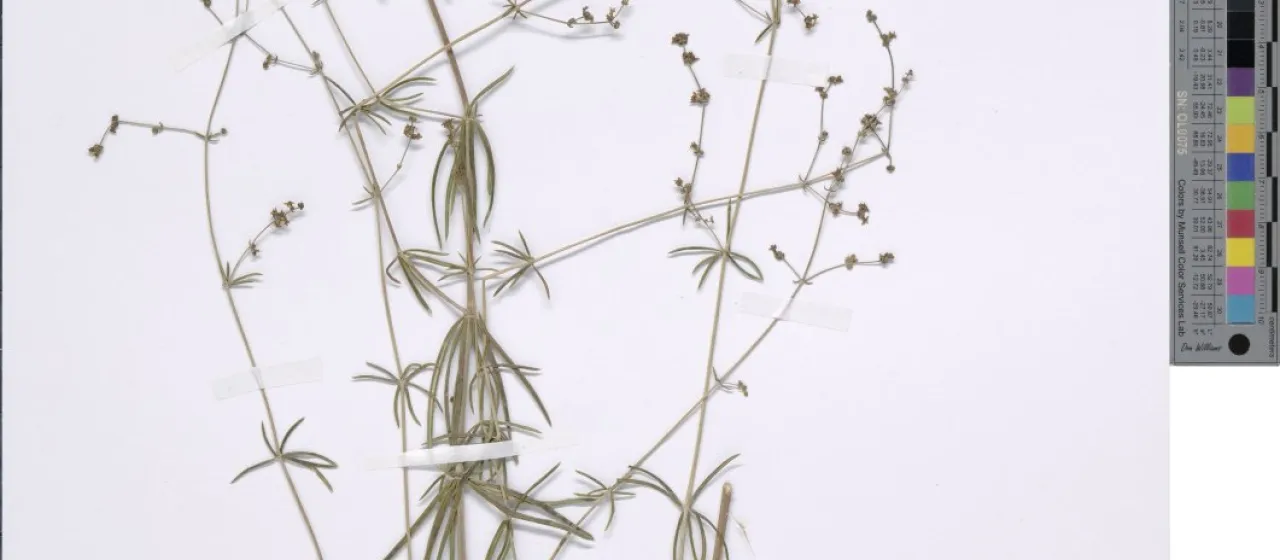
Description
Baetic bedstraw (Galium baeticum) is a herbaceous perennial plant belonging to the Rubiaceae family. While many members of the Galium genus are widespread, this specific species is valued for its unique phytochemical properties and specific environmental requirements, making it a niche subject of study in botanical research and cultivation trials.
The species is native to the Iberian Peninsula, thriving in habitats characterized by Mediterranean climatic conditions. In cultivation, it requires regions that mimic its natural range, favoring mild winters and warm, well-ventilated summers. It is not typically grown as a large-scale commodity crop but rather as a specialized botanical resource.
Botanically, the plant is distinguished by its tetragonal stems and leaves arranged in distinct whorls along the stem. The flowers are small, typically appearing in branched clusters during the peak of the growing season. The root system, though compact, is highly efficient at extracting nutrients from limestone-rich soils, which is a key physiological trait of this species.
The ideal soil profile for Galium baeticum includes well-draining, calcareous substrates with a slightly alkaline pH. Agronomic practices should focus on preventing waterlogging, as the species is highly susceptible to root decay in stagnant moisture. Supplemental irrigation should be provided only during prolonged dry spells to maintain plant vigor without over-saturating the root zone.
Regarding its use, this crop is primarily sought after for pharmacological extraction and potential applications in dye production, leveraging the pigment-rich compounds found in its roots. Disease management involves monitoring for fungal pathogens like mildew, while pest control is usually focused on managing aphid populations and spider mites, which can be particularly damaging in greenhouse or controlled garden environments.