
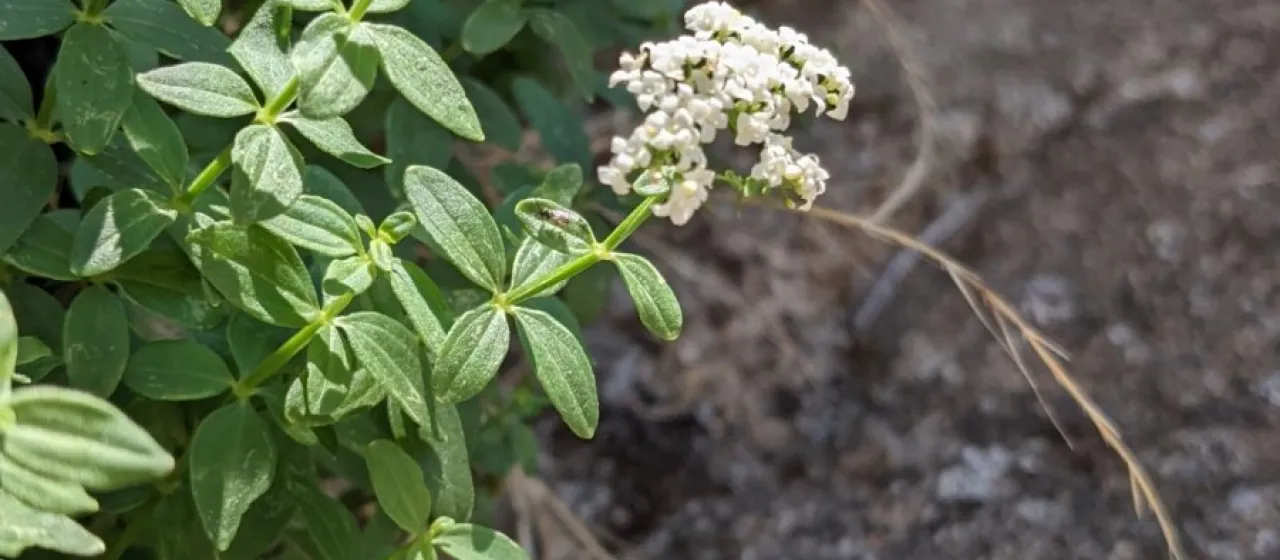
Description
Galium broterianum is a perennial herbaceous plant belonging to the Rubiaceae family. As a distinct species within the Galium genus, it has evolved specific physiological traits that allow it to thrive in its native habitats. This species is often studied by botanists for its unique ecological adaptation and potential as a phytochemical source.
The plant is native to the Iberian Peninsula, with its primary range concentrated in Portugal and Spain. It typically occupies ecological niches such as forest understories, rocky slopes, and humid meadows. This distribution underscores its preference for temperate maritime climates with specific soil composition requirements.
Botanically, Galium broterianum exhibits the characteristic whorled leaf structure of the bedstraw genus, with slender stems and small, delicate flowers arranged in panicles. The plant's morphology is adapted for growth in dense vegetation, where it utilizes support from neighboring plants to reach for light while maintaining its own structural integrity.
Cultivation requires adherence to specific environmental parameters. The soil should be fertile, well-draining, and slightly acidic to neutral in pH. Ideally, it should be grown in partial shade to mimic its natural woodland habitat, as direct intense sunlight can cause desiccation of the foliage and stunt overall growth.
Regarding its utility, the species is primarily of scientific and potential medicinal interest. Researchers study its chemical profile, particularly the presence of anthraquinones and related compounds. Furthermore, in specialized gardening, it serves as a ground cover plant for naturalistic landscapes, contributing to biodiversity in managed forest edges.
- Common pests: leaf beetles, aphids.
- Susceptibility: fungal infections like powdery mildew in humid environments.