
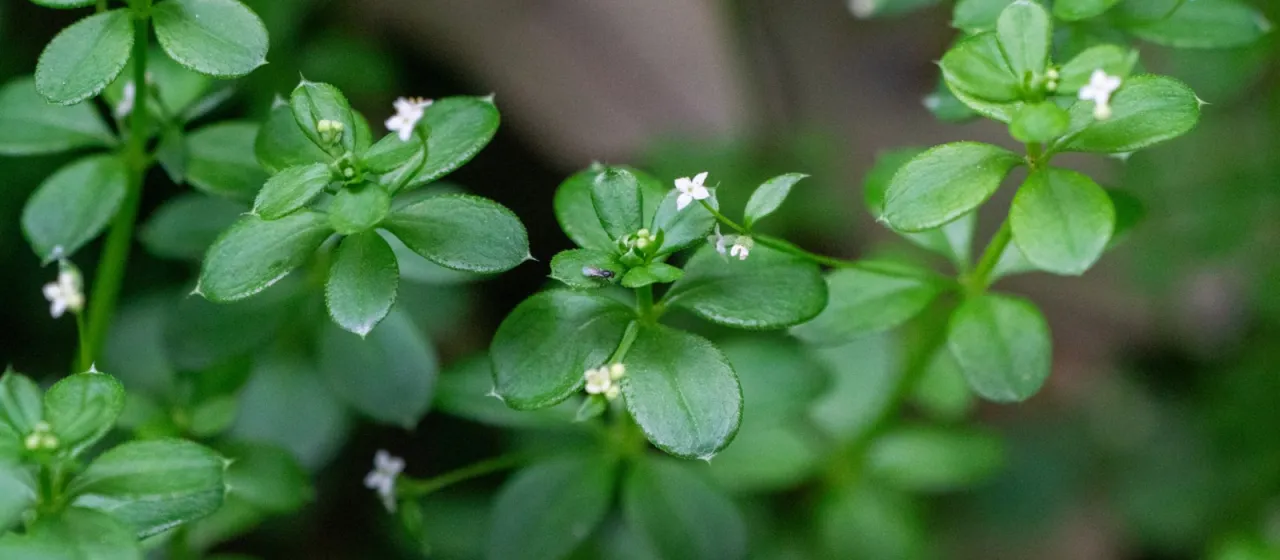
Description
Galium gracilens is a perennial herbaceous plant belonging to the Rubiaceae family. While many species within the genus are often regarded as common weeds, this specific species is recognized for its unique botanical profile and potential utility in botanical research and specialized pharmacological crop production.
The plant originates from temperate mountainous and submontane regions, where it thrives in natural meadow ecosystems and forest margins. Its environmental adaptation makes it a candidate for cultivation in well-drained soils. Understanding its natural habitat is crucial for achieving high-quality biomass yield, as it prefers moderate climatic conditions without extreme temperature fluctuations.
Botanically, Galium gracilens is characterized by its slender, often decumbent or ascending stems with the typical square profile of the Rubiaceae family. The leaves are arranged in whorls, displaying a delicate lanceolate shape. Its small flowers form loose panicles, contributing to the plant's distinct appearance during the blooming season, which typically occurs mid-summer.
Agrotechnical requirements for this crop focus on soil structure and moisture management. The plant flourishes in light, nutrient-rich soils with a neutral pH level. Key cultivation practices include:
- Regular weeding to reduce competition.
- Implementation of controlled irrigation to prevent soil moisture stress.
- Application of organic fertilizers to improve soil fertility without over-nitrification.
In terms of economic value, the crop is primarily utilized for its bioactive compounds, which include iridoids and coumarins used in the pharmaceutical industry. Growers must be vigilant against pests such as aphids and fungal infections like powdery mildew, which can significantly affect plant vigor. Integrated pest management (IPM) strategies are recommended to maintain crop health and ensure the quality of the harvested botanical material.