
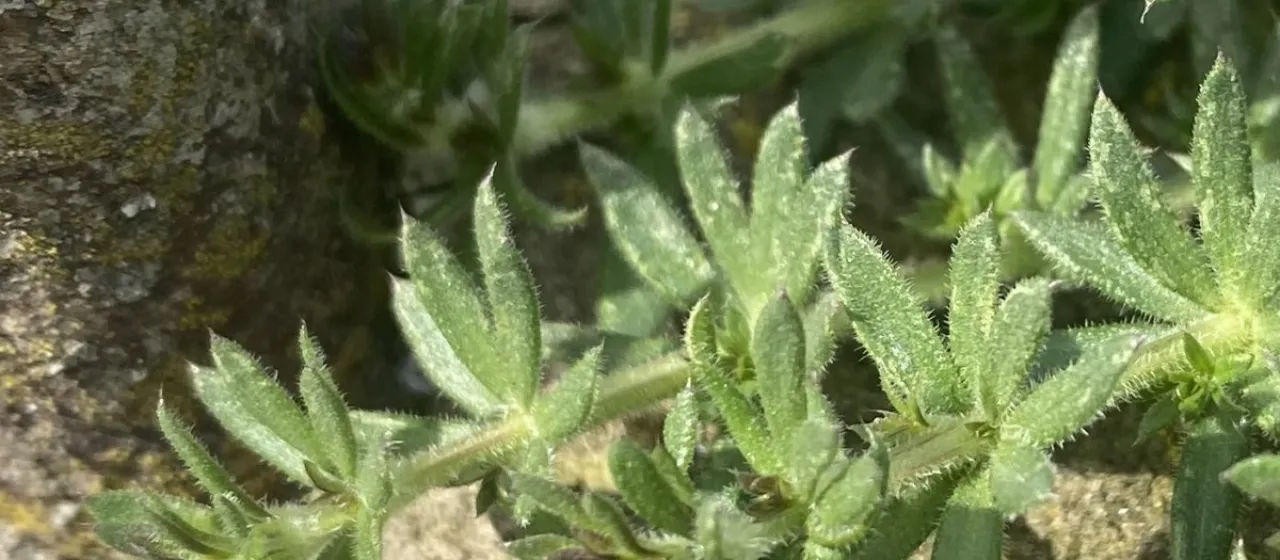
Description
Galium humifusum is a perennial herbaceous plant belonging to the Rubiaceae family. Historically integrated into the Galium genus, this species is recognized for its low-growing, mat-forming growth habit, making it an interesting candidate for ecological landscape management and specialized botanical cultivation.
The plant originates from the temperate regions of Southern Europe, the Caucasus, and parts of Western Asia. Its natural habitat typically consists of rocky substrates, open meadows, and well-drained slopes, which explains its evolutionary adaptation to high-light environments and dry seasonal conditions.
Botanically, Galium humifusum features four-angled stems with small, linear leaves arranged in whorls. During the active growth phase, it produces clusters of small white flowers that contribute to its aesthetic value. Its root system is relatively shallow yet dense, allowing it to stabilize topsoil effectively in its native environment.
Agrotechnical requirements for this crop focus primarily on soil texture and drainage. It thrives in calcareous or sandy soils with a neutral pH. The main challenge in its cultivation is the prevention of root rot caused by stagnant water, which necessitates the selection of highly permeable substrates. The crop is generally low-maintenance and does not require intensive fertilization programs.
The primary economic use of Galium humifusum lies in landscape architecture, where it serves as a resilient ground cover. Furthermore, the genus Galium is known for containing phytochemicals such as iridoid glycosides and anthraquinones, leading to ongoing research into its potential applications in the pharmaceutical and natural dye industries.
- Excellent drought tolerance and sun exposure preference.
- Requirement for well-drained, porous soil structures.
- Effective for erosion control due to creeping habit.
- Minimal pest pressure under standard dry-site conditions.