
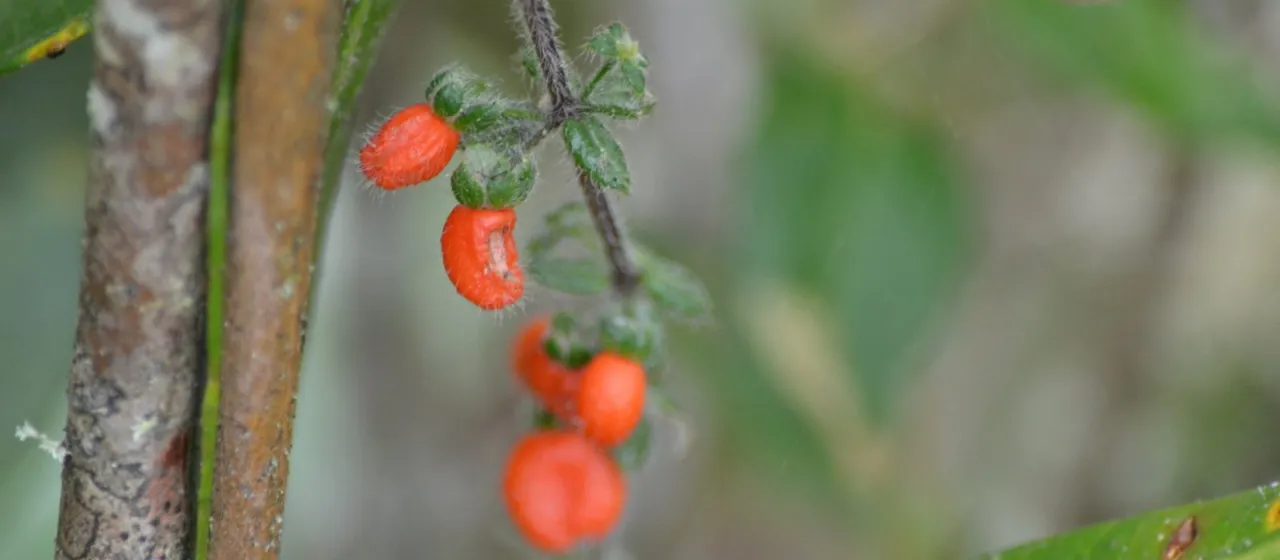
Description
Galium hypocarpium is a perennial herbaceous plant belonging to the Rubiaceae family. While not a primary cereal or industrial crop, it is of significant interest in niche agriculture and botanical studies. Its unique physiological profile makes it an intriguing subject for specialized nurseries and pharmaceutical-grade raw material production.
The species is native to the South American continent, primarily inhabiting high-altitude regions. Its natural habitat is characterized by cool temperatures and variable humidity, which dictates the specific requirements for its successful cultivation elsewhere. Maintaining these ecological parameters is essential for ensuring healthy plant development and optimal phytochemical accumulation.
Botanically, Galium hypocarpium exhibits characteristic whorled leaves and branching stems. The most distinct feature is the development of its fruits, which appear beneath the flower clusters. This adaptive growth pattern is a hallmark of the species, allowing it to thrive in competitive alpine environments where it can leverage mineral-rich mountain soil.
Agronomic requirements emphasize the need for well-draining, moisture-retentive soils with moderate fertility. In a commercial setting, it is crucial to avoid waterlogged conditions, which can lead to fungal infections such as root rot. Light management is also critical; the plants perform best under partial shade or filtered light, which mimics the natural environment of their native mountainous regions.
Economic and industrial use primarily revolves around the extraction of specialized compounds for medicinal or cosmetic purposes. Ongoing research into the plant's secondary metabolites suggests potential utility in producing natural bioactive agents. Farmers looking to integrate this crop must focus on sustainable harvesting techniques to preserve the integrity of the plant biomass for high-value downstream applications.
- Requires soil with excellent drainage properties
- Sensitive to extreme heat and direct sunlight
- Management of fungal pathogens through proper spacing
- Harvesting at specific growth stages for maximum efficacy