
Description
Shultes bedstraw (Galium intermedium) is a perennial herbaceous plant belonging to the Rubiaceae family. While many species within the Galium genus are considered common agricultural weeds, this particular species is primarily identified as an inhabitant of forest ecosystems, showcasing a distinct biology adapted to shade-tolerant growth and specific woodland microclimates.
The native distribution of Shultes bedstraw is mainly concentrated in the broad-leaved and mixed forests of Europe. It thrives in temperate regions where rainfall is consistent throughout the growing season. Unlike field-crop competitors, this plant prefers the stable environments found beneath the forest canopy, which provide protection from direct sunlight and wind.
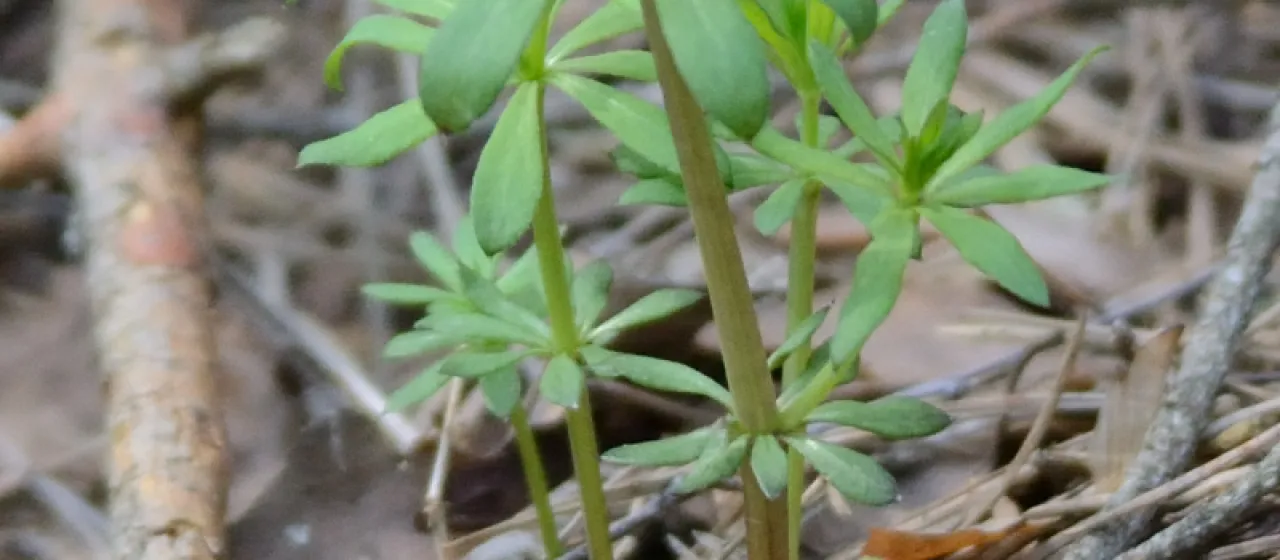
Botanically, the plant features slender, branched stems adorned with narrow leaves arranged in whorls, a characteristic trait of the genus. Its small, white flowers form loose panicles that bloom during the summer. The root system is relatively shallow yet effective at anchoring the plant within the forest floor, allowing for vegetative propagation in nutrient-rich woodland soil.
Regarding soil and climate requirements, the plant demands well-drained, fertile soil with moderate acidity. It is highly sensitive to soil compaction and moisture depletion, which often occur in open agricultural lands. Due to its preference for woodland environments, there are no standard agronomic practices for cultivation, as it does not integrate into traditional crop rotation or farming systems.
In terms of ecological and economic utility, Shultes bedstraw serves as an important component of the understory vegetation, supporting biodiversity in forest habitats. Common pests and diseases affecting this plant are similar to those found in other forest-dwelling Rubiaceae, including various fungal pathogens that flourish in high-humidity conditions and occasional insect infestations that are typical of wild herbaceous forest plants.