
Description
Kamchatka bedstraw (Galium kamtschaticum) is a perennial herbaceous plant belonging to the Rubiaceae family. It is a distinct species within the bedstraw genus, recognized for its adaptation to cold forest environments and specific leaf morphology that differentiates it from common weeds.
The plant originates from the Far East regions, including Kamchatka and Sakhalin, and is also native to high-latitude mountainous areas in Japan and North America. Its natural habitat is primarily defined by cool, moist forest floors where it thrives under partial canopy shade.
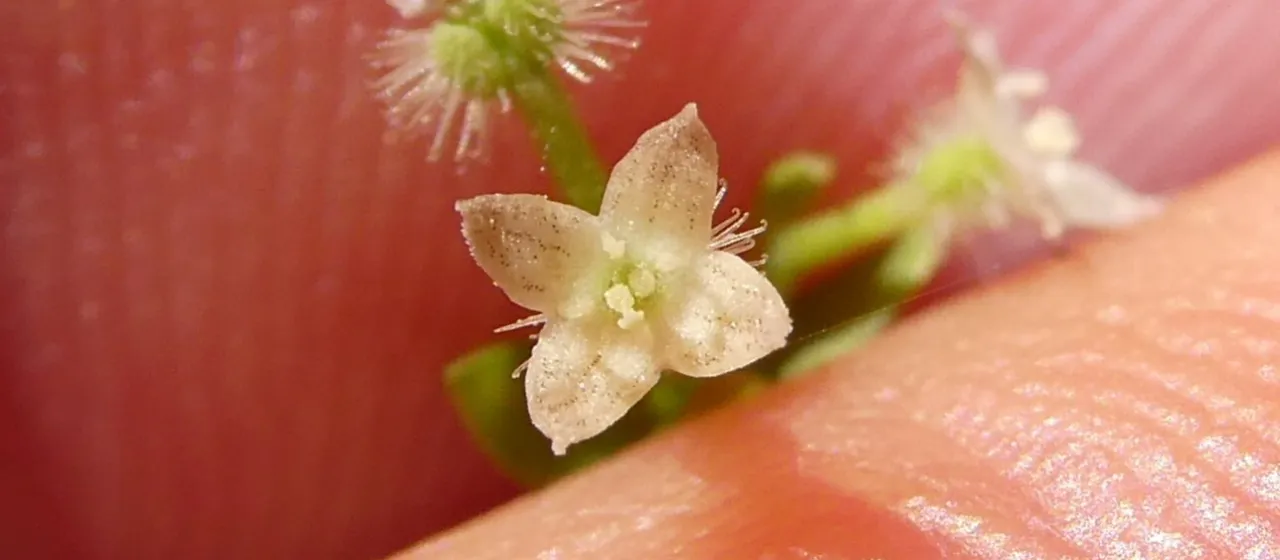
Botanically, the plant is characterized by its broad, oval-to-rounded leaves arranged in whorls along the stem. It typically grows to a height of 10–30 centimeters. The plant produces delicate white or yellowish flowers in small inflorescences, which possess a subtle fragrance typical for many members of the madder family.
Agricultural and horticultural requirements for Kamchatka bedstraw focus on simulating its native ecological niche. It demands nutrient-rich, slightly acidic, and well-draining soil. Providing a consistent moisture level is essential; however, soil aeration must be maintained to prevent root decay. Partial shade is generally preferred over direct, high-intensity sunlight.
In terms of practical utility, the species is investigated for its chemical composition and potential applications in herbal medicine and landscape restoration projects in northern climates. Disease management involves monitoring for fungal pathogens that thrive in high-humidity conditions, such as powdery mildew, and ensuring adequate spacing to promote airflow and prevent pest infestations.