
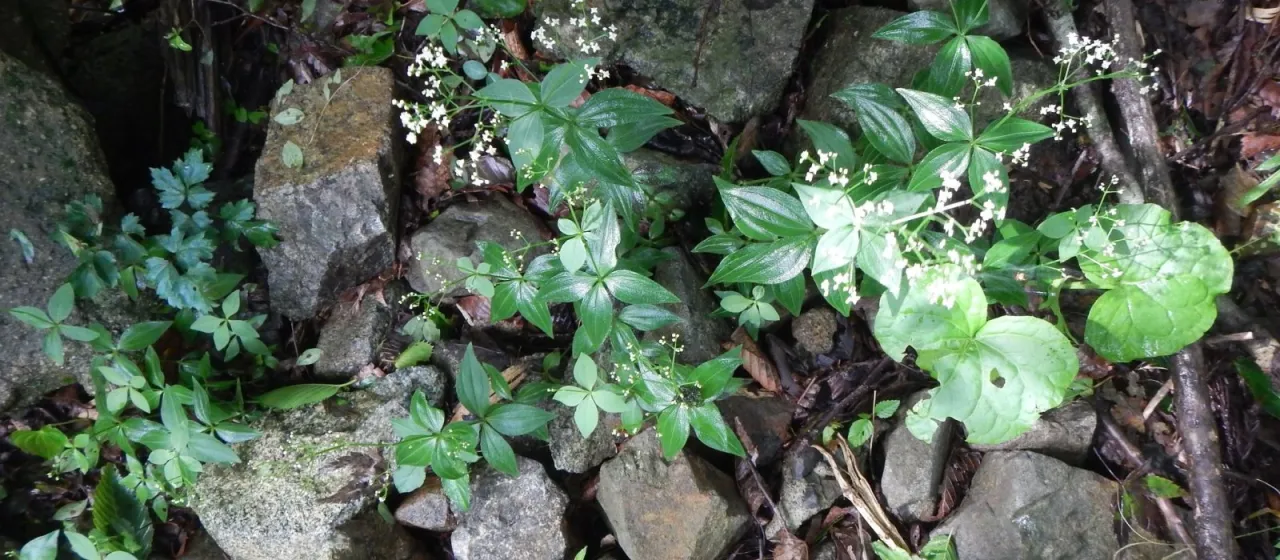
Description
Galium kinuta is a perennial herb belonging to the Rubiaceae family. Although it is not a major commodity crop, it possesses significant botanical value and is increasingly recognized in botanical collections and specialty nurseries that focus on East Asian flora and potential bioactive medicinal sources.
Originating from the East Asian region, specifically Japan, this species is naturally adapted to temperate climates with high ambient humidity. It typically grows in forest understories, which makes it a shade-tolerant plant that thrives in specific microclimates where competition from larger vegetation is limited.
Botanically, the plant is characterized by its square-shaped stems and whorled leaves, which are typical for the genus Galium. The small, often white or greenish flowers bloom in clusters, providing a delicate aesthetic appeal. Its root system is fibrous and rhizomatous, allowing for efficient spread across favorable soil conditions.
Cultivation requirements focus on maintaining cool, moist, and well-draining soil conditions. It performs best in neutral to slightly acidic soils rich in organic matter. As a shade-lover, it is essential to protect the crop from direct, harsh sunlight, which can lead to leaf scorch and reduced plant vigor during the peak summer months.
Key areas of хозяйственное usage include:
- Research into phytochemicals for pharmaceutical applications;
- Use as an ornamental groundcover in shaded landscape projects;
- Conservation of native biodiversity in botanical gardens;
- Extraction of compounds for specialized traditional health products.
Management of pests and diseases is primarily focused on controlling fungal pathogens that arise from excessive moisture and poor air circulation. Common insect pests include aphids and mites, which can be mitigated through regular monitoring and the application of horticultural oils or organic soap sprays when necessary to preserve plant health.