
Description
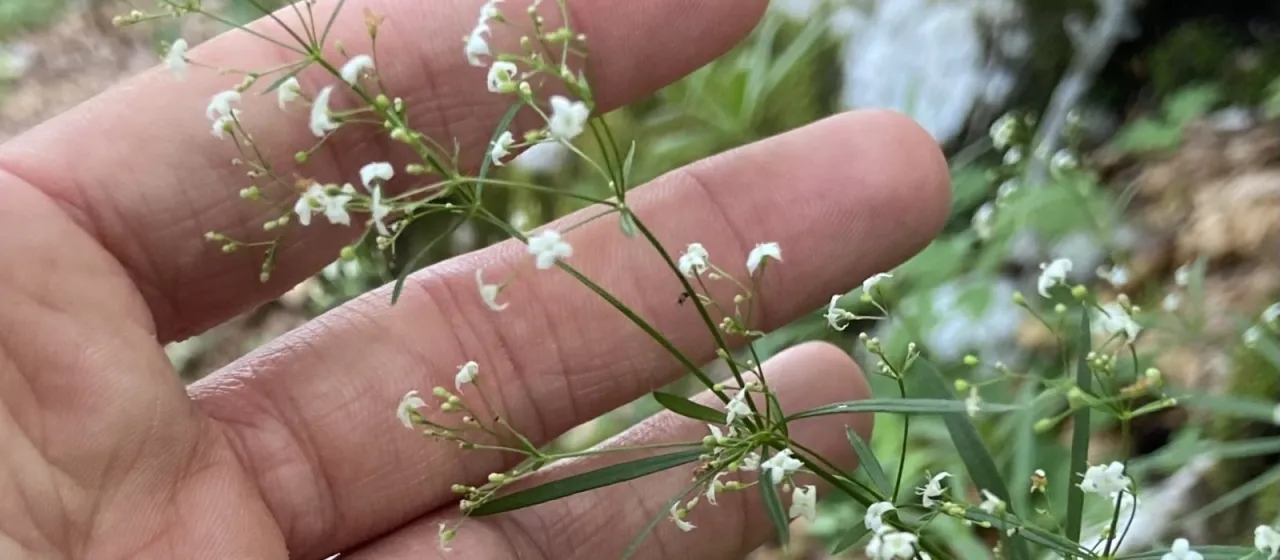
Smooth bedstraw (Galium laevigatum) is a perennial herbaceous plant belonging to the Rubiaceae family. In an agricultural context, this species is recognized for its hardiness and ability to thrive in diverse meadow ecosystems, contributing to soil stabilization and biodiversity in grazing and hay fields.
The plant is native to the temperate regions of Europe and Western Asia. It typically inhabits dry grasslands, sunny slopes, and forest edges. Its natural adaptation to such environments makes it a resilient candidate for cultivation in areas where soil moisture levels fluctuate, providing a reliable source of biomass even under moderate stress.
Botanically, Galium laevigatum is distinguished by its smooth, upright stems and narrow leaves arranged in whorls. Its flowering phase occurs in early summer, characterized by delicate white inflorescences that attract pollinators. The plant's root system is adapted for mineral uptake in well-drained, alkaline or neutral soils, which are optimal for its development.
Cultivation practices require proper site selection, focusing on well-drained soils and full sun exposure. It is highly resistant to drought once established, which reduces the need for supplemental irrigation. Management strategies should prioritize minimal soil disturbance and appropriate density to prevent nutrient competition while ensuring vigorous growth of the stand.
Economically, the plant is valued for its potential use in phytotherapy due to the presence of secondary metabolites, as well as its contribution to the forage quality of hay meadows. While it is relatively robust, producers should monitor for common issues such as fungal pathogens during periods of high humidity and local insect infestations that may impact vegetative biomass.