
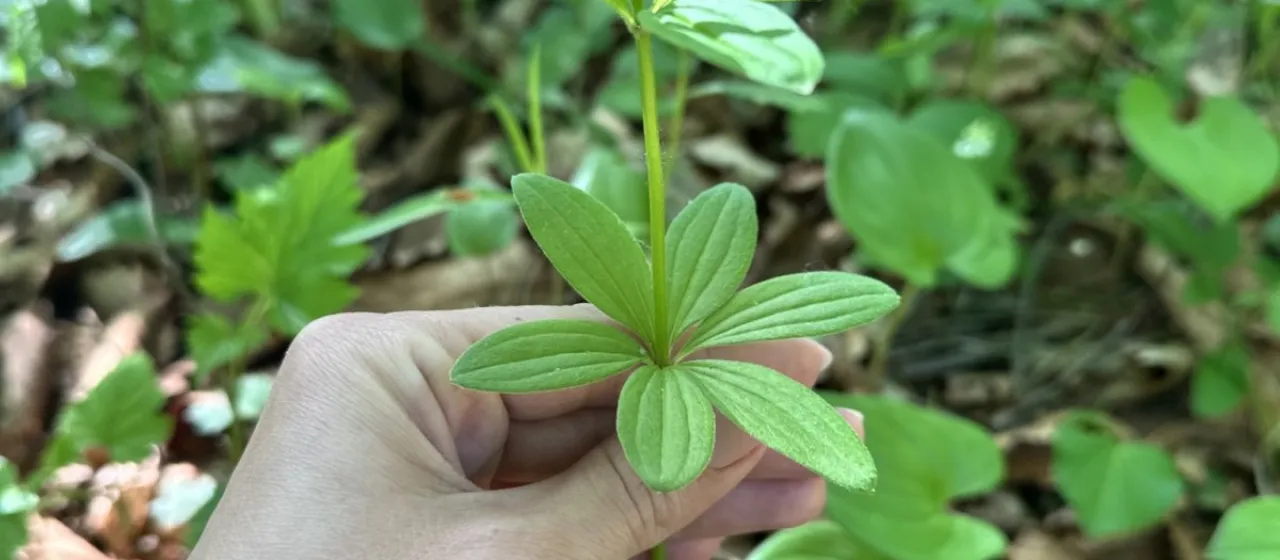
Description
Galium maximowiczii is a perennial herbaceous plant belonging to the Rubiaceae family. Within the agricultural sector, it is recognized as a specialty crop with significant potential for the herbal supplement and pharmaceutical industries. This species is distinguished by its specific secondary metabolites, which make it a subject of interest for controlled cultivation.
Originating from the Far East, the species thrives in regions with a temperate, monsoon-influenced climate. Its natural habitat includes woodland margins and shaded meadows, indicating a preference for environments with moderate light levels and consistent moisture. When cultivating this crop, mirroring these natural conditions is essential for achieving high biomass yields and optimal active ingredient concentrations.
Botanically, Galium maximowiczii is characterized by its slender, often climbing or sprawling stems and narrow leaves arranged in whorls. The plant produces small, delicate inflorescences that contribute to its distinctive appearance. Its root system is relatively shallow yet vigorous, allowing the plant to establish itself firmly in well-structured, loamy soils that provide both stability and necessary drainage.
Regarding cultivation requirements, the crop demands fertile, well-draining soil with a slightly acidic to neutral pH. Agricultural management practices should focus on preventing waterlogging, which can lead to root degradation. Fertilizer application must be balanced; excessive nitrogen should be avoided to prevent stem lodging and to ensure that the concentration of plant secondary compounds remains at therapeutic levels.
The economic value of this crop is primarily derived from its applications in herbal medicine and potential phytochemical extraction. As with many crops in the Rubiaceae family, growers must remain vigilant against specific threats:
- Powdery mildew, which flourishes in poor air circulation.
- Aphid infestations that can severely stress young plants.
- Root pathogens caused by prolonged soil saturation.