
Description
Sweet woodruff (scientific name Galium odoratum) is a perennial herbaceous plant belonging to the Rubiaceae family. This aromatic plant is highly valued for its sweet, hay-like scent, which is intensified by the process of drying the foliage. Historically, it has been used both as an ornamental groundcover and as an ingredient in herbal medicine.
Native to Europe, Western Asia, and Northern Africa, the plant prefers the shaded environments of deciduous forests. In an agricultural context, it is best suited for woodland gardens or temperate climates where soil moisture remains consistent. The plant is prized for its ability to thrive in areas where other species might struggle due to limited light availability.
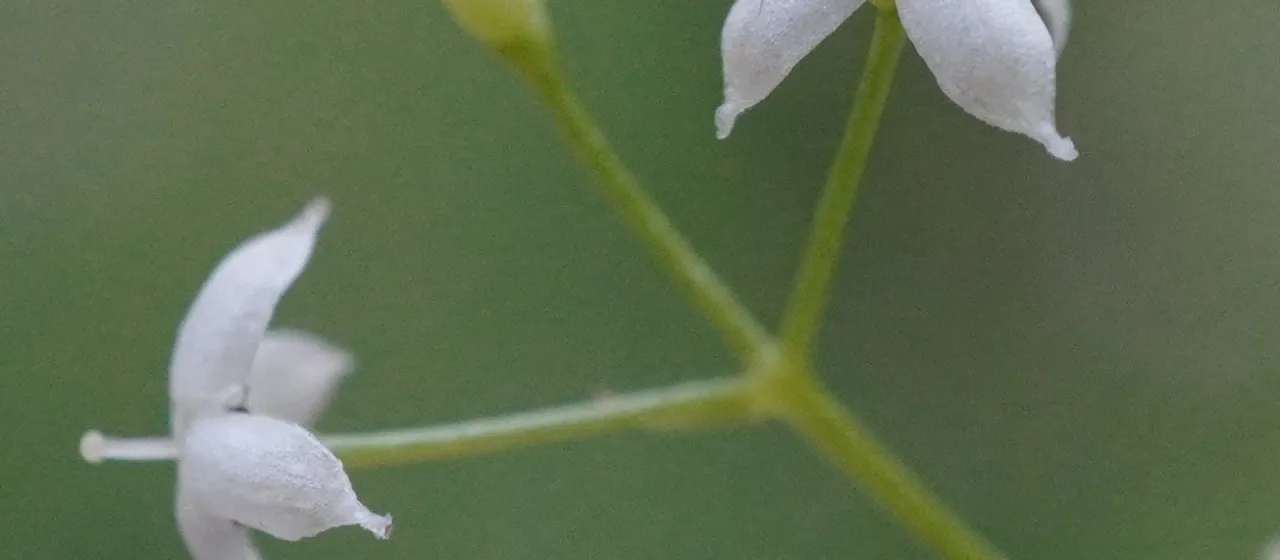
Botanically, Sweet woodruff is characterized by its whorled leaves arranged in clusters around the square-shaped stem. The plant produces delicate, star-shaped white flowers during late spring and early summer. Its shallow, creeping rhizomes allow it to spread effectively across a garden bed, creating a dense, low-growing mat that acts as a natural mulch.
Cultivation requires fertile, moisture-retentive, and slightly acidic to neutral soil. Proper agrotechnology involves selecting a shaded site and ensuring regular watering during dry spells. Adding organic matter, such as leaf mold or compost, to the soil before planting provides the necessary nutrients for vigorous growth. The plant is highly frost-hardy and does not require complex winter protection.
The primary economic uses of the crop include its role in the beverage and perfume industries, as well as its medicinal applications as a diuretic or mild sedative. Regarding plant health, Sweet woodruff is relatively resistant to common agricultural pests. However, over-saturation of the soil can lead to fungal diseases, so maintaining good drainage is essential for a healthy crop.