
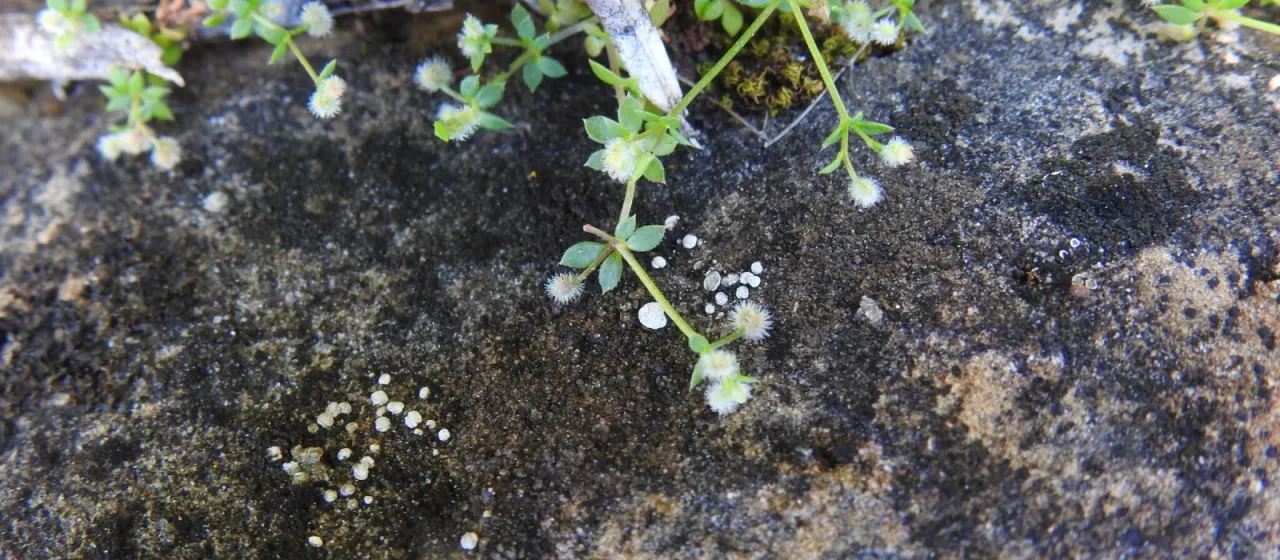
Description
Galium minutulum is a distinct species within the Rubiaceae family, widely recognized for its compact structure and adaptation to arid environments. As a member of the diverse bedstraw genus, it serves as a specialized example of botanical resilience, thriving in habitats where nutrient availability and water retention are typically low.
The origin of this species is rooted in Mediterranean and adjacent regions, where it colonizes rocky slopes, dry grasslands, and open, sun-exposed landscapes. Its range reflects a high tolerance for temperature fluctuations and an evolutionary preference for niches that are often too harsh for more competitive plant species.
Botanically, the plant is characterized by its miniature habit, thin branched stems, and whorled leaves. The flowering cycle produces small, subtle inflorescences that are typical of the Galium genus. Its root system is relatively shallow yet efficient, allowing for optimal uptake of intermittent moisture and minerals from rocky soil profiles.
From an agronomic perspective, the cultivation of this species requires strict adherence to light and drainage requirements. It performs best in sandy or rocky soils where airflow around the roots is unrestricted. Excessive irrigation is a primary cause of decline, as the species has evolved to manage its metabolic processes under drought stress rather than high-moisture conditions.
While not a primary commercial crop, Galium minutulum holds interest for botanical research and ecological restoration projects. Its maintenance involves monitoring for specific pathogens such as fungal leaf spots during humid seasons and managing competition from invasive weeds. Despite its small size, it remains a vital component of the local flora that contributes to the stability of sensitive ecosystems.