
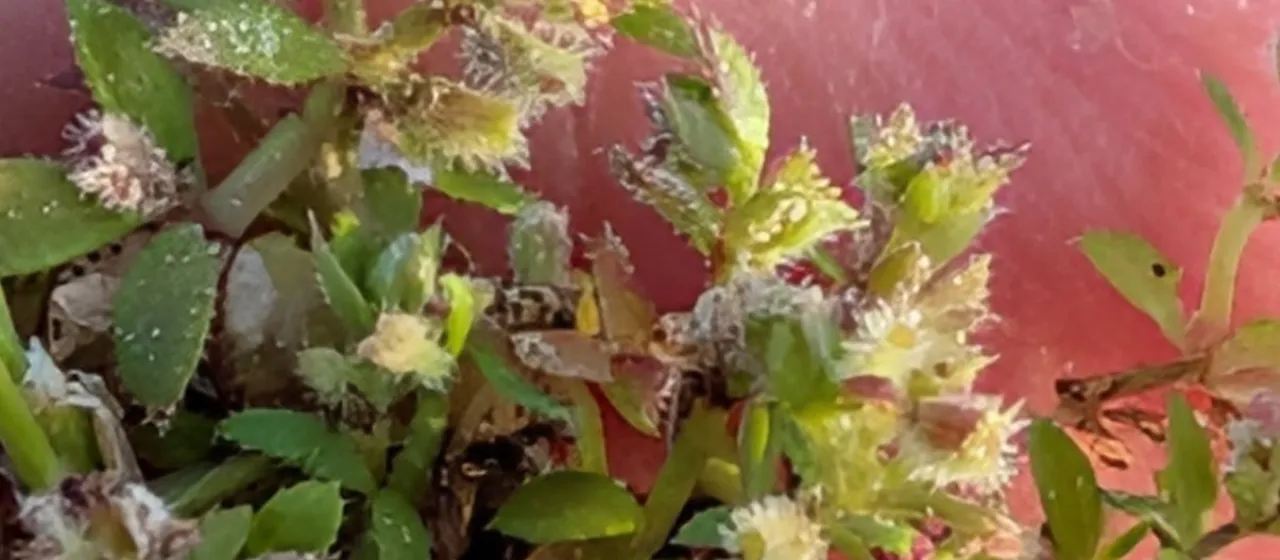
Description
Small bedstraw (Galium murale) is an annual herbaceous plant belonging to the Rubiaceae family. While it is primarily categorized as a weed in agricultural settings, understanding its biological lifecycle is essential for integrated pest management and maintaining soil health in areas adjacent to active crop fields.
The plant originates from the Mediterranean basin and has spread across various regions in Southern Europe and Northern Africa. It typically thrives in open, sunny locations and is often found in rocky terrains, walls, and disturbed ground where it can outcompete native vegetation if the environment is suitable for its rapid development.
Botanically, Galium murale is characterized by its small, branching stems and leaves arranged in whorls along the stem. The plant produces insignificant, small flowers that are designed for efficient self-pollination. This adaptive reproductive system allows it to persist in various environmental conditions and colonize new areas quickly through seed dispersal.
In terms of agricultural requirements, the plant prefers well-drained, alkaline or limestone soils with moderate sun exposure. It is highly sensitive to soil compaction and waterlogging. Effective management in fields includes pre-emergent cultivation and the application of targeted herbicides during the early stages of its growth cycle to prevent seed set.
While the plant has little direct economic use in modern agriculture, it remains a subject of botanical interest. Typical issues affecting its growth include fungal pathogens like powdery mildew, which can develop during humid periods, and common insects that target Rubiaceae plants. It is generally not considered a severe agricultural pest but requires monitoring to prevent infestation spread.
- Family: Rubiaceae.
- Lifecycle: Annual herb.
- Native Range: Mediterranean region.
- Preferred Habitat: Rocky ground, sunny slopes, disturbed areas.