
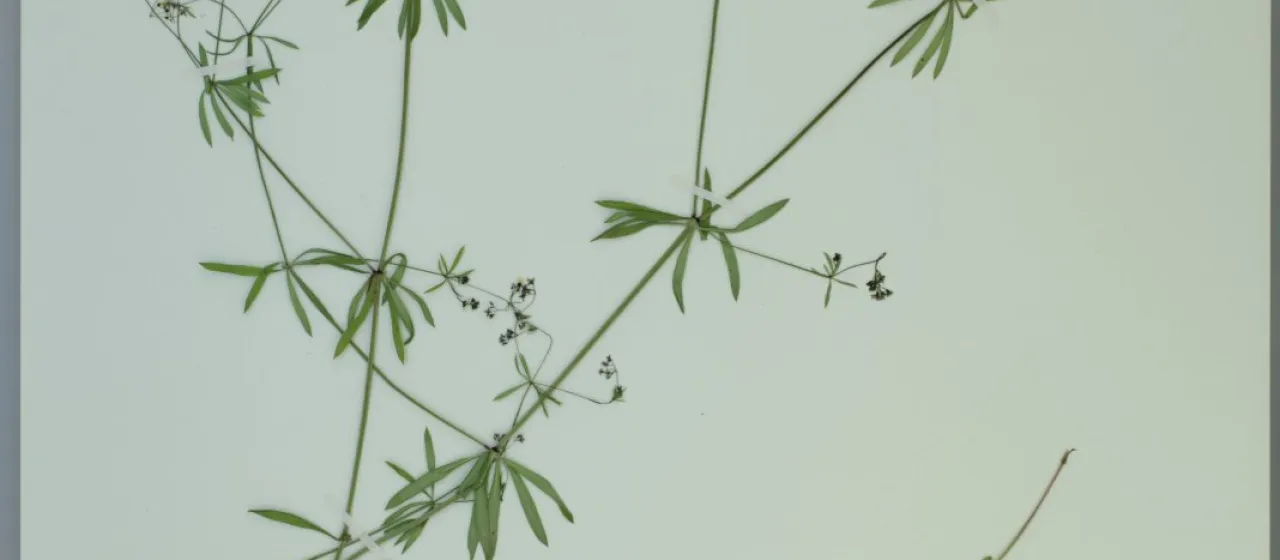
Description
Galium papillosum is a perennial herbaceous plant belonging to the Rubiaceae family. While not a conventional high-yield crop, it is of particular interest to botanical research and the herbal industry due to the unique biochemical composition of its vegetative parts.
The plant originates from regions with temperate climates, typically found in rocky or well-drained soils. Its natural habitat includes open meadows and mountain slopes where it can compete for light. It is highly sensitive to waterlogging, preferring substrates that allow for consistent aeration of the root system.
Botanically, Galium papillosum is recognized by its stems and leaves, which are covered in tiny, distinct papillae (small protrusions), giving the plant a rough texture. The leaves are arranged in whorls along the stem, a common trait for the genus. It produces small, delicate inflorescences that bloom during the warmer months of the year.
Agricultural practices for this species focus on site selection and soil structure. When cultivated for scientific or medicinal purposes, it is essential to mimic its natural environment. This includes providing adequate spacing between plants to prevent competition and ensuring that the soil pH remains within a slightly alkaline to neutral range.
Common plant health issues include fungal pathogens that emerge under high humidity conditions, such as leaf spot or mildew. Pests often include aphids or small leaf-mining insects that target the soft tissues. Careful management of field moisture and periodic inspection are the primary methods for maintaining a healthy stand.