
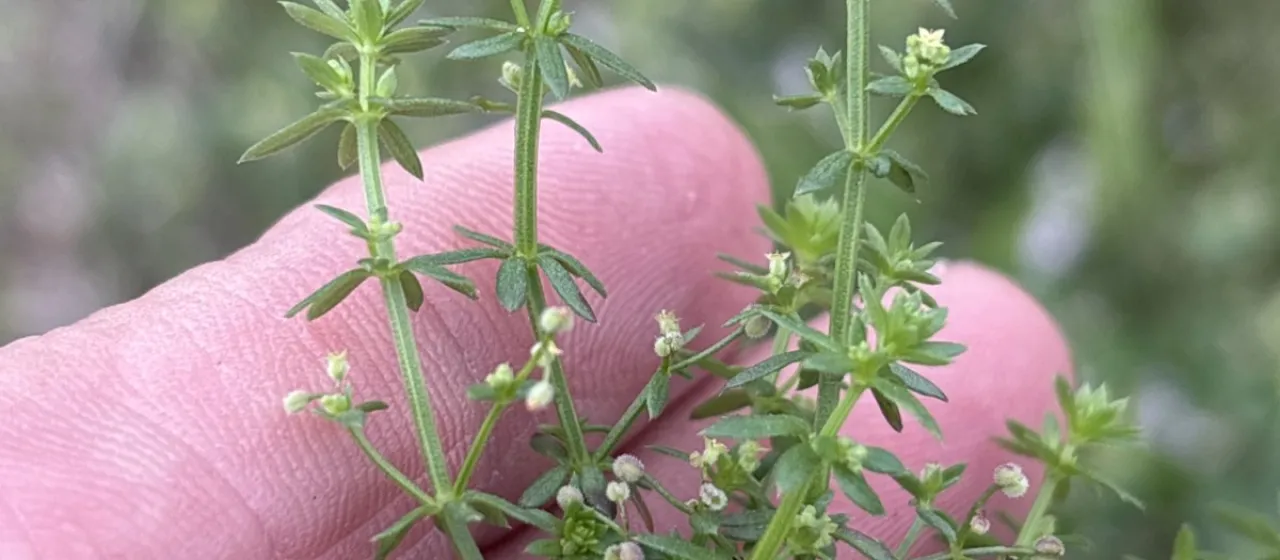
Description
Wall bedstraw (Galium parisiense) is an annual herbaceous plant belonging to the Rubiaceae family. While it is rarely cultivated as a commercial crop, it is an interesting botanical subject that frequently appears in discussions regarding plant diversity and weed management in specific ecological zones across Europe and the Mediterranean.
The origin of this species is largely tied to temperate regions, where it has adapted to dry, well-drained, and often sandy or gravelly soils. It naturally thrives in open habitats, including rocky slopes and roadside verges, where it can capitalize on minimal competition for sunlight and space during its active growth phase.
Botanically, Wall bedstraw is distinguished by its thin, branching stems and narrow leaves arranged in whorls. Its small, inconspicuous flowers are organized into loose panicles. The plant is efficient at producing large quantities of seeds, allowing it to colonize disturbed patches of land relatively quickly under favorable dry weather conditions.
Regarding cultural requirements, the plant does not require high levels of soil fertility or moisture. In agricultural settings, it is treated as a minor weed. Effective management, when required, involves the implementation of regular weeding, soil tillage, and crop competition strategies, as this plant struggles to thrive in dense, healthy stands of high-value crops.
Economically, Wall bedstraw has little to no direct agricultural application. Its significance is primarily ecological, as it occupies a specific niche in natural environments. Common threats include typical environmental stresses and occasionally local insect pests like aphids, though severe outbreaks on this species are rare due to its relatively inconspicuous nature in the ecosystem.