
Description
Galium productum is a herbaceous perennial plant belonging to the Rubiaceae family. While not a conventional staple crop, it is of interest in various agricultural and botanical applications due to its adaptive nature and specific phytoconstituents. It is recognized for its role in maintaining stable grassland ecosystems.
The plant originates from the Eurasian continent, with its natural range spanning regions across the Caucasus and parts of Central Asia. It typically inhabits moist meadows, forest edges, and riparian zones. Its ability to colonize such niches makes it a persistent species in varied environmental conditions, demonstrating strong resilience to competition.
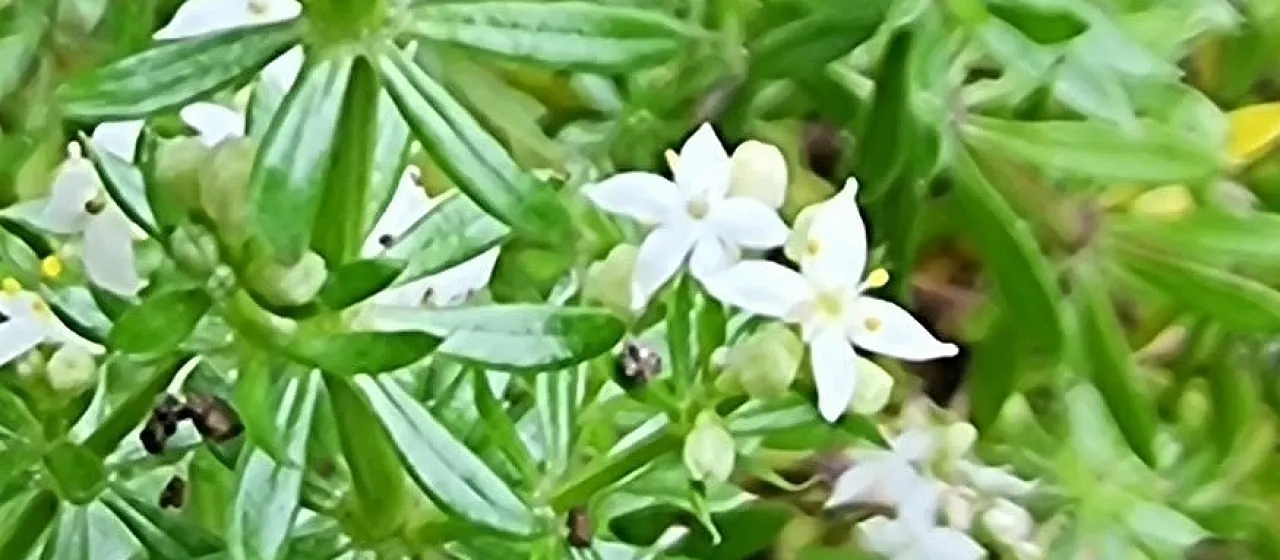
Botanically, Galium productum is characterized by its tetragonous stems and whorled leaves, a common trait within the Galium genus. The flowers are generally arranged in loose, terminal, or axillary panicles. Its root system is fibrous and spreading, which facilitates effective nutrient uptake and soil stabilization, making it a valuable species for ecological restoration in specific areas.
For successful cultivation, the crop requires fertile, well-drained loamy soils that retain moisture throughout the growing season. Climate-wise, it thrives in temperate zones, preferring regions with adequate rainfall and moderate temperatures. Agronomic management should focus on maintaining soil pH levels and ensuring proper irrigation during the early growth stages to maximize biomass production.
The economic value of this species lies in its secondary metabolites, which are studied for pharmaceutical applications. Additionally, it provides essential cover in pasture lands. Typical challenges in its cultivation include fungal pathogens like rusts and downy mildew, which necessitate integrated pest management practices. Insect pests such as aphids are also common threats that require monitoring during the vegetative phase.