
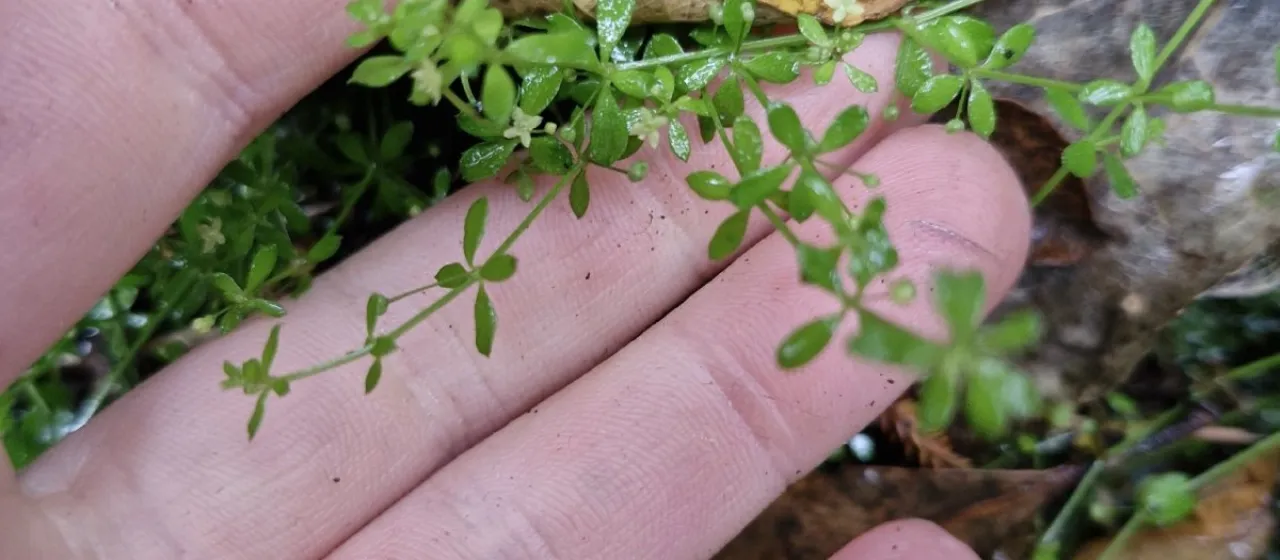
Description
Galium propinquum is a perennial herbaceous plant belonging to the Rubiaceae family. In agronomic and botanical studies, this species is recognized for its unique adaptation to specific environmental niches, typical of the Galium genus. As a plant of interest in regional flora, it serves as a subject for both ecological observation and potential phytochemical research.
The native range of Galium propinquum is primarily concentrated in East and Southeast Asia, including Japan, China, and the Korean Peninsula. It typically thrives in regions with temperate climates, preferring shaded or semi-shaded habitats such as forest edges, riverbanks, and moist meadows. Its geographical distribution underscores its reliance on consistent moisture and moderate temperatures.
Botanically, the plant exhibits slender stems with whorled leaves and small, often inconspicuous flowers arranged in clusters. Its root system is designed for efficient nutrient absorption in competitive environments. The plant's morphology allows it to grow in dense clusters, which helps in soil stabilization and provides ground cover in its native habitats.
Regarding growth requirements, Galium propinquum favors soils that are rich in organic matter and possess good drainage properties. It is sensitive to prolonged drought, making irrigation or site selection in naturally humid areas critical for its development. Standard agricultural practices for such species involve monitoring for moisture levels and ensuring that the soil pH remains within a slightly acidic to neutral range.
The potential хозяйственное (economic/practical) use of this plant is largely centered on its biochemical profile. Like many members of the Rubiaceae family, it is studied for its content of bioactive compounds, including anthraquinones. While not a major commercial crop, it is valued in botanical gardens and herbal research for its genetic properties, serving as a representative species of its genus within its native ecosystem.
- Adaptability to forest-edge microclimates.
- Presence of diverse secondary metabolites.
- Resilience against common environmental stressors.
- Contribution to soil biodiversity in natural meadows.