
Description
Marsh bedstraw (Latin: Galium rivale) is a perennial herbaceous plant belonging to the Rubiaceae family. In agricultural science, it is recognized as a significant constituent of moist meadow ecosystems, often contributing to the biomass diversity of lowland pastures and forage fields.
The native range of this species covers the temperate regions of Europe and Western Asia. It is naturally found in riparian zones, marshy meadows, and areas with high soil moisture. The plant has adapted to thrive in environments that would be too damp for many other standard agricultural crops.
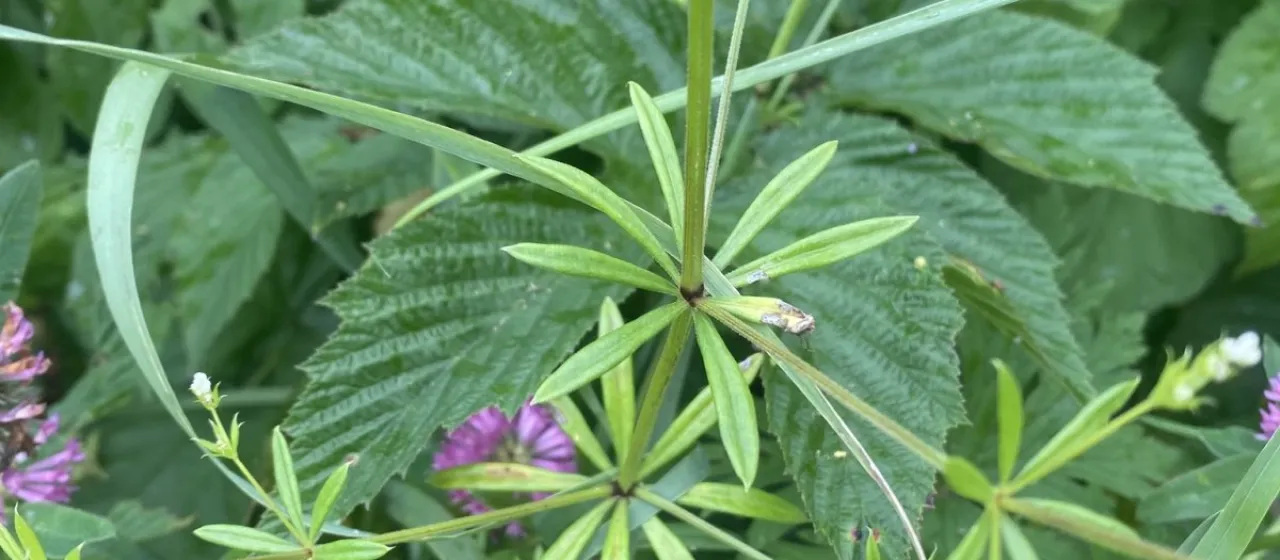
Botanically, Galium rivale is characterized by its erect, branched stems reaching up to one meter in height. It features whorled, linear leaves and clusters of small, pale-yellow flowers. The root system is relatively shallow but extensive, allowing it to efficiently absorb nutrients from damp, alluvial soils.
The cultivation of this plant requires specific climatic and soil conditions. It thrives in well-drained but consistently moist, fertile, and nutrient-rich soils. Successful agrotechnical management involves monitoring soil humidity levels, as the plant is highly sensitive to extended drought, which can significantly reduce its growth rate and forage yield.
The primary agricultural and economic applications include:
- Integration into seed mixtures for enhancing meadow biodiversity.
- Harvesting for livestock fodder, which provides balanced nutritional value.
- Ecological restoration of wetland fringes to prevent soil erosion.
Like many herbaceous crops, it is susceptible to various pests such as aphids and leaf beetles, which feed on the succulent leaves. Regarding diseases, the main concerns include powdery mildew and rust fungi, typically triggered by high humidity and poor ventilation within dense stands. Maintaining an optimal planting density and timely harvesting are key strategies for minimizing these risks.