
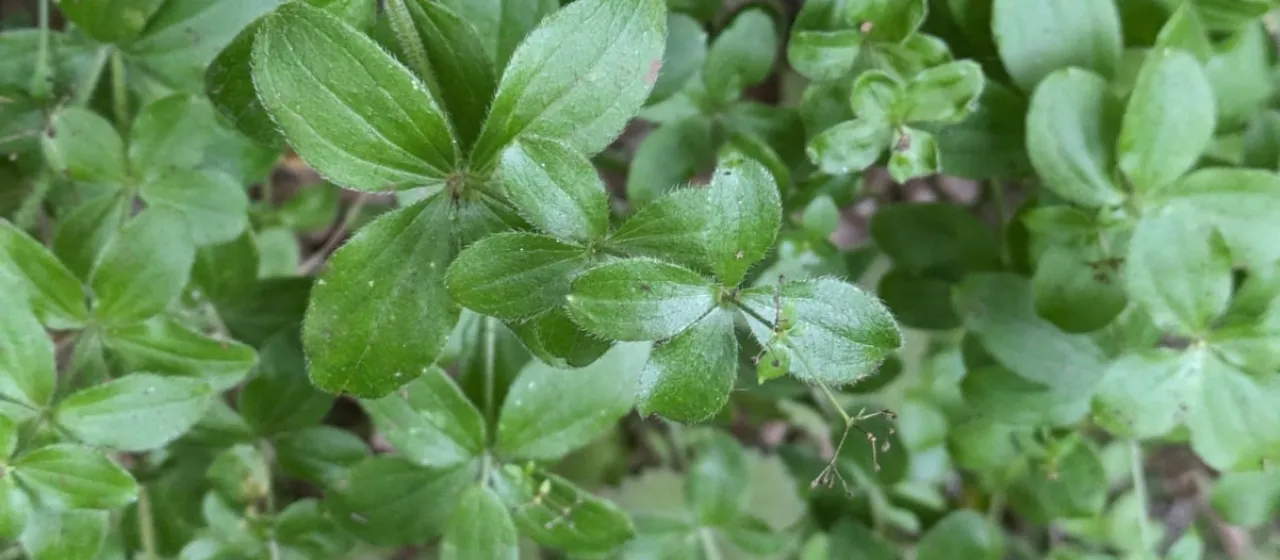
Description
Rough bedstraw (Galium scabrum) is a perennial herbaceous plant belonging to the Rubiaceae family. While not a conventional staple crop, it possesses specific biological traits that make it a subject of interest in medicinal plant cultivation and niche botanical industries due to its chemical profile.
The plant originates primarily from the Mediterranean basin and parts of Western Asia. Its natural habitat includes rocky landscapes and limestone-rich terrains, which dictates its preference for well-aerated soils and moderate climatic conditions characteristic of semi-arid or Mediterranean-type ecosystems.
Botanically, Galium scabrum is defined by its stiff, square stems covered in small, rough prickles that facilitate its climbing or sprawling habit. The leaves are arranged in whorls, and the plant produces delicate white to yellowish inflorescences. Its complex root system is highly efficient at extracting nutrients from rocky or compact soil types.
Cultivation requirements involve ensuring excellent soil drainage to prevent root rot. The species is highly drought-tolerant, requiring minimal intervention once established. Propagation is usually achieved through seed scattering or vegetative cutting, with late spring being the most effective timeframe for transplanting or sowing.
- Presence of anthraquinones with pigment-producing potential.
- Strong resistance to common soil-borne fungal pathogens.
- Minimal fertilizer input requirements for maintenance.
- Excellent suitability for low-maintenance landscaping and slope stabilization.
Economically, the plant is valued for its pharmacological potential and its history in dye production. The roots, in particular, contain chemical compounds used in the creation of natural dyes. Furthermore, contemporary agricultural research continues to investigate its secondary metabolites for potential applications in the development of antimicrobial and antioxidant products.