
Description
Stiff bedstraw (Galium tinctorium) is a perennial herbaceous plant belonging to the Rubiaceae family. This species is historically recognized for its ability to produce pigments, specifically anthraquinones, in its roots, which have traditionally been utilized for natural dyeing purposes.
The plant is native to North America, where it typically thrives in damp meadows, shrub thickets, and along riparian zones. Its natural habitat indicates a preference for moist, sheltered environments, which serves as a baseline for determining the optimal site selection for agricultural production.
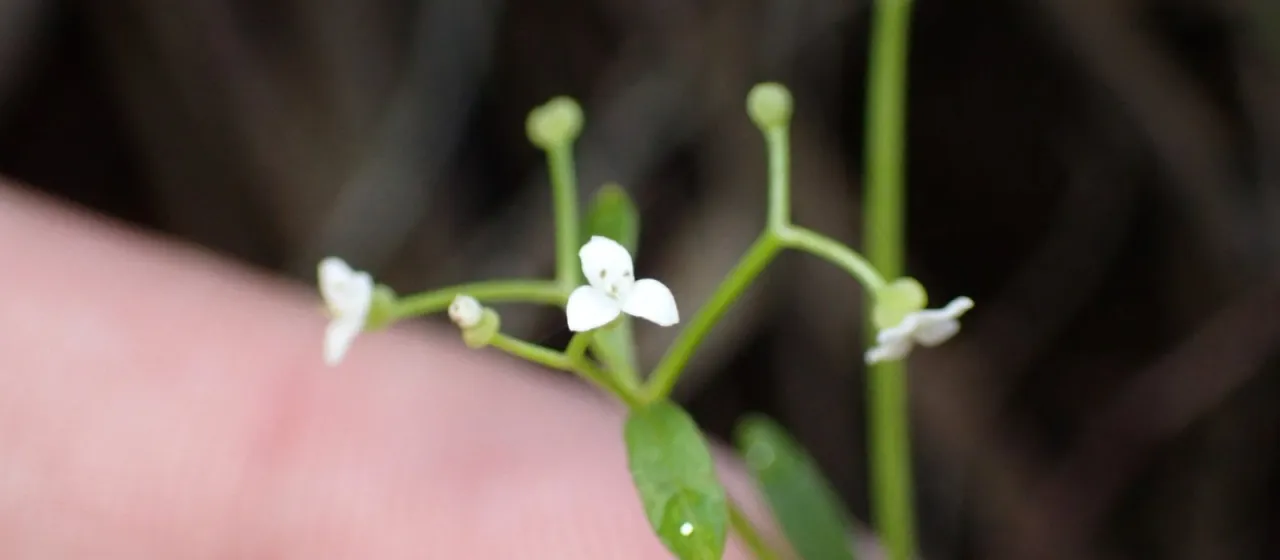
Morphologically, the plant is characterized by its slender, branched, and often sprawling stems, adorned with narrow leaves arranged in whorls. Its flowers are small, white, and organized into loose cymes, contributing to a distinctive growth habit that requires adequate space to spread effectively during the growing season.
Agronomic requirements for Galium tinctorium focus on soil moisture management and light exposure. The crop performs best in fertile, well-draining yet consistently moist soils with a slightly acidic to neutral pH. Proper soil preparation and initial irrigation are critical during the establishment phase to ensure robust root development.
The primary economic and practical applications include:
- Production of natural dyes for artisanal textiles and historical restoration projects.
- Utilization as botanical raw material in phytotherapy and traditional medicine.
- Utilization in wetland rehabilitation and native habitat restoration efforts.
Common management challenges involve susceptibility to fungal pathogens, particularly root rots, which often occur in poorly drained, waterlogged soils. In terms of pest control, the crop should be monitored for aphids and leaf-feeding insects, with integrated pest management (IPM) techniques recommended to maintain crop health without compromising natural extract quality.