
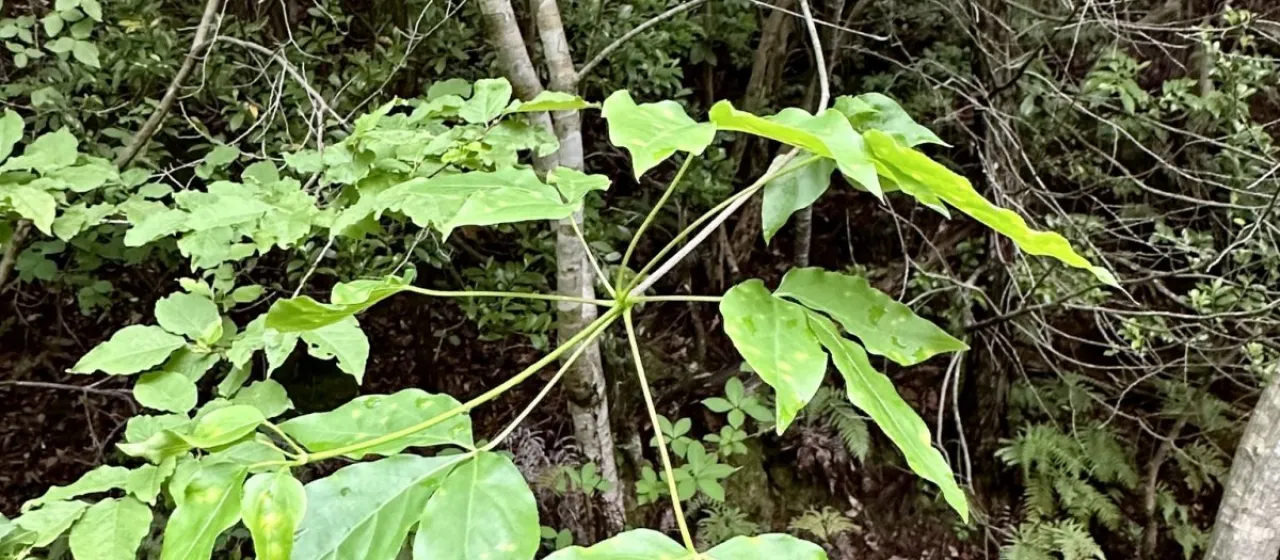
Description
Gamblea innovans is a distinct botanical species belonging to the Araliaceae family. Known for its specific morphological features, this plant stands out as a unique member of the ivy family, drawing attention from horticulturists and plant collectors interested in integrating rare, exotic woody species into structured landscape designs.
The plant originates from East Asian regions, specifically parts of China and Japan. Its natural habitat consists of humid forest environments where it thrives under the canopy. This adaptation implies that the species requires specific microclimatic conditions, characterized by protection from harsh direct sunlight and a need for stable, high humidity levels to maintain optimal growth.
Botanically, Gamblea innovans is recognized by its compound leaves and characteristic umbel-shaped inflorescences. The structure of its foliage provides a lush, architectural appearance, making it a sought-after specimen for specialized gardens. As a member of the Araliaceae family, it displays common physiological traits that allow it to adapt to its native forest ecosystem effectively.
Cultivation requires careful attention to soil composition; the species prefers well-draining, nutrient-rich soil with a neutral to slightly acidic pH. Regular moisture is vital, but growers must avoid waterlogging at all costs, as the roots are sensitive to anaerobic conditions. Proper site selection, prioritizing areas with morning sun and afternoon shade, is critical for the plant's long-term health.
- Ideal light: partial shade.
- Soil type: organic-rich, loamy, well-draining.
- Watering: consistent irrigation during the growing season.
- Maintenance: protection from extreme cold and wind.
The primary use of Gamblea innovans is ornamental, where its exotic appearance adds depth to garden compositions. Beyond aesthetics, the species serves as a valuable subject for botanical study, helping researchers understand the adaptive strategies of the Araliaceae family. While not a major commercial crop, its potential in specialized forestry and pharmaceutical research continues to be a subject of interest.