
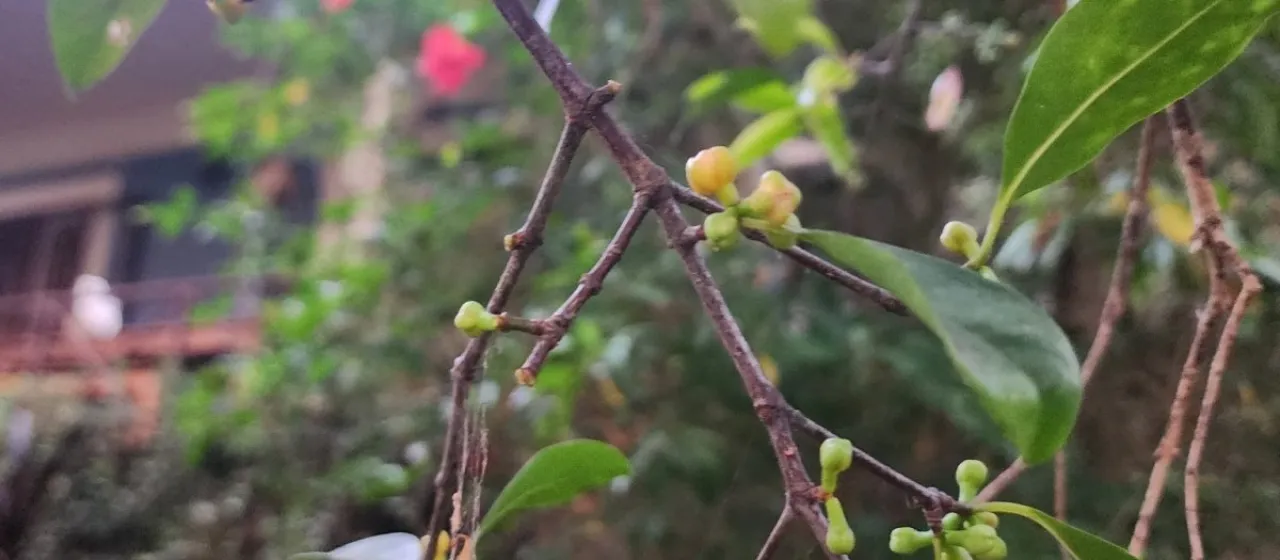
Description
Garcinia indica, popularly known as Kokum, is a medicinal and culinary evergreen tree belonging to the Clusiaceae family. It is highly valued in tropical horticulture for its versatile fruit and the beneficial fats found within its seeds.
The species is native to the tropical rainforests of the Western Ghats in India. It thrives in regions with a tropical monsoon climate, characterized by high humidity and distinct seasonal rainfall, which are essential for its natural growth cycle.
Botanically, the tree exhibits a pyramidal growth habit with spreading branches and dense, dark green foliage. The fruit is a spherical berry that turns deep purple when fully ripe, containing a tangy pulp and several seeds that are the primary source of the commercially important Kokum butter.
For successful cultivation, the crop requires deep, well-drained soils rich in organic matter. While it is adaptable to various conditions once established, young trees require consistent irrigation and shade management. Propagation is typically achieved through seeds, although vegetative methods such as grafting are preferred in commercial orchards to ensure consistent fruit quality.
The economic significance of Garcinia indica spans multiple sectors. The dried fruit rinds are a staple spice in coastal Indian cuisine, while the fat-rich seeds are processed into Kokum butter, widely used in pharmaceuticals, cosmetics, and the confectionery industry due to its stability and texture.
Effective pest and disease management includes:
- Ensuring proper soil drainage to prevent root rot pathogens.
- Monitoring for leaf-eating insects during the spring flush.
- Preventing fungal infections through regular pruning and crown management.