
Description
Garcinia madruno is an evergreen fruit-bearing tree belonging to the Clusiaceae family. Often referred to in its native regions as "madruno," this species is recognized for its dense foliage and attractive, edible fruits. As a tropical crop, it is gaining interest among growers for its resilience and the unique flavor profile of its harvest, often described as refreshing and sweet-tart.
The native distribution of Garcinia madruno spans the tropical regions of Central and South America. It is particularly prevalent in the lowland rainforests and humid areas of countries like Colombia, Panama, and Venezuela. The tree thrives in warm, moist climates, typically found at elevations where temperatures remain relatively stable throughout the entire year.
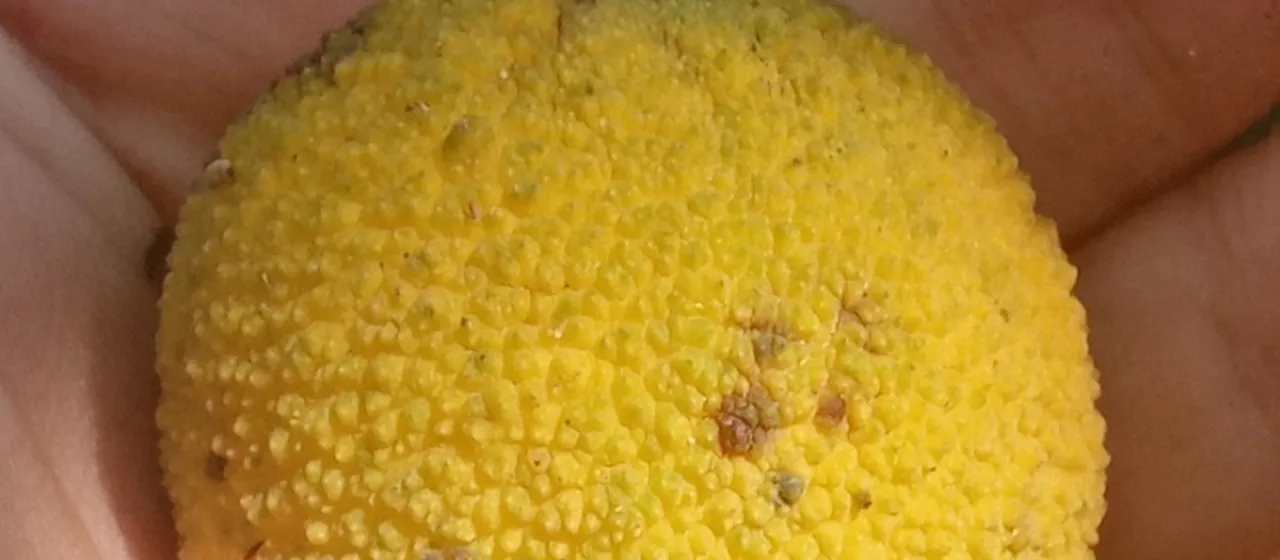
Botanically, the tree is characterized by a slow growth rate and a sturdy, upright stem. The leaves are opposite, dark green, and possess a thick, leathery texture that helps the plant manage transpiration. The fruits are berries that feature a thick, slightly textured rind, protecting the translucent, succulent pulp inside, which contains several seeds depending on the variety.
Agricultural success depends on providing deep, fertile, and well-draining soil. The plant demands consistent humidity levels and should be protected from harsh, desiccating winds. Irrigation management is crucial; while the plant requires water, it is susceptible to root rot if the soil remains waterlogged. Nutrient management involves regular applications of organic compost to support canopy development and fruit set.
- Sun exposure: Prefers full sun but tolerates partial shade in younger stages.
- Soil requirements: Prefers acidic to neutral, nutrient-rich soils.
- Propagation: Primarily via seeds, with long germination periods.
- Common pests: Aphids and mealybugs can affect tender new foliage.
The primary economic value of Garcinia madruno lies in its fruit production. The pulp is highly prized for its use in fresh consumption, juices, sorbets, and jams. Beyond the culinary sector, its ornamental value makes it a popular choice for tropical botanical gardens and sustainable permaculture systems. Its ability to provide high-quality fruit makes it a valuable asset for local agro-ecosystems.