
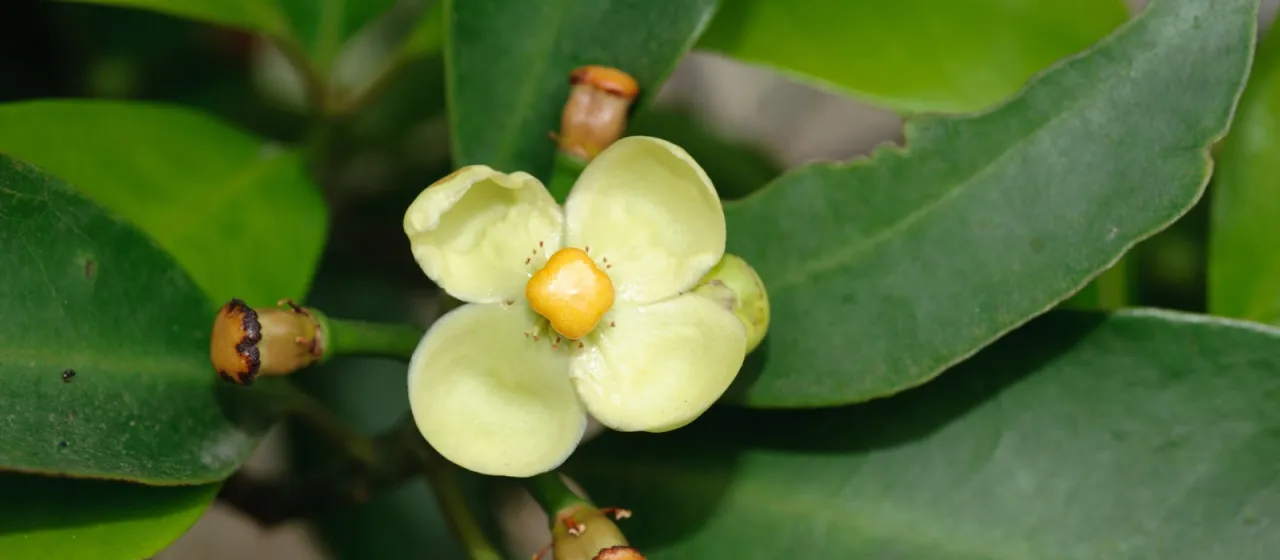
Description
Garcinia multiflora is an evergreen tree species belonging to the Clusiaceae family. Known for its dense canopy and biological diversity, this plant plays a significant role in its native ecosystems. In agricultural contexts, it is recognized for its chemical properties, particularly the presence of bioactive compounds such as xanthones and benzophenones, which make it a subject of ongoing pharmacological research.
The species originates from the tropical regions of Southeast Asia, specifically parts of Southern China, Vietnam, and surrounding areas. It thrives in high-humidity environments characterized by consistent warm temperatures throughout the year. Due to these specific climatic requirements, the cultivation area for this crop is primarily located in tropical and subtropical zones where environmental stability is guaranteed.
Botanically, the plant is characterized by its opposite, leathery leaves and a complex system of internal ducts containing latex. The inflorescences are dense and multiple, giving the tree its specific name, multiflora. The fruits are typically fleshy berries that contain a variety of secondary metabolites, which serve as the basis for the plant's traditional medicinal applications and potential commercial use in the nutraceutical industry.
Cultivation requirements involve strict adherence to soil moisture management and light exposure. The trees perform best in well-drained, nutrient-rich loam soils that maintain a consistent moisture level without becoming waterlogged. Agrotechnical practices often include canopy management to ensure optimal air circulation and light penetration, as well as protection from strong winds that can damage the delicate evergreen foliage.
The хозяйственное (economic) use of Garcinia multiflora is diverse, spanning from traditional health practices to potential applications in sustainable forestry. Extracts from the plant are valued for their antibacterial and anti-inflammatory properties, making them interesting for herbal medicine. Furthermore, the wood is noted for its durability, which allows for small-scale timber production and the creation of specialized wood products.
- Climate: tropical to subtropical, sensitive to frost.
- Soil requirements: fertile, well-drained, acidic to neutral pH.
- Propagation: primarily by seeds or vegetative cuttings.
- Pest management: regular monitoring for aphids and scale insects.